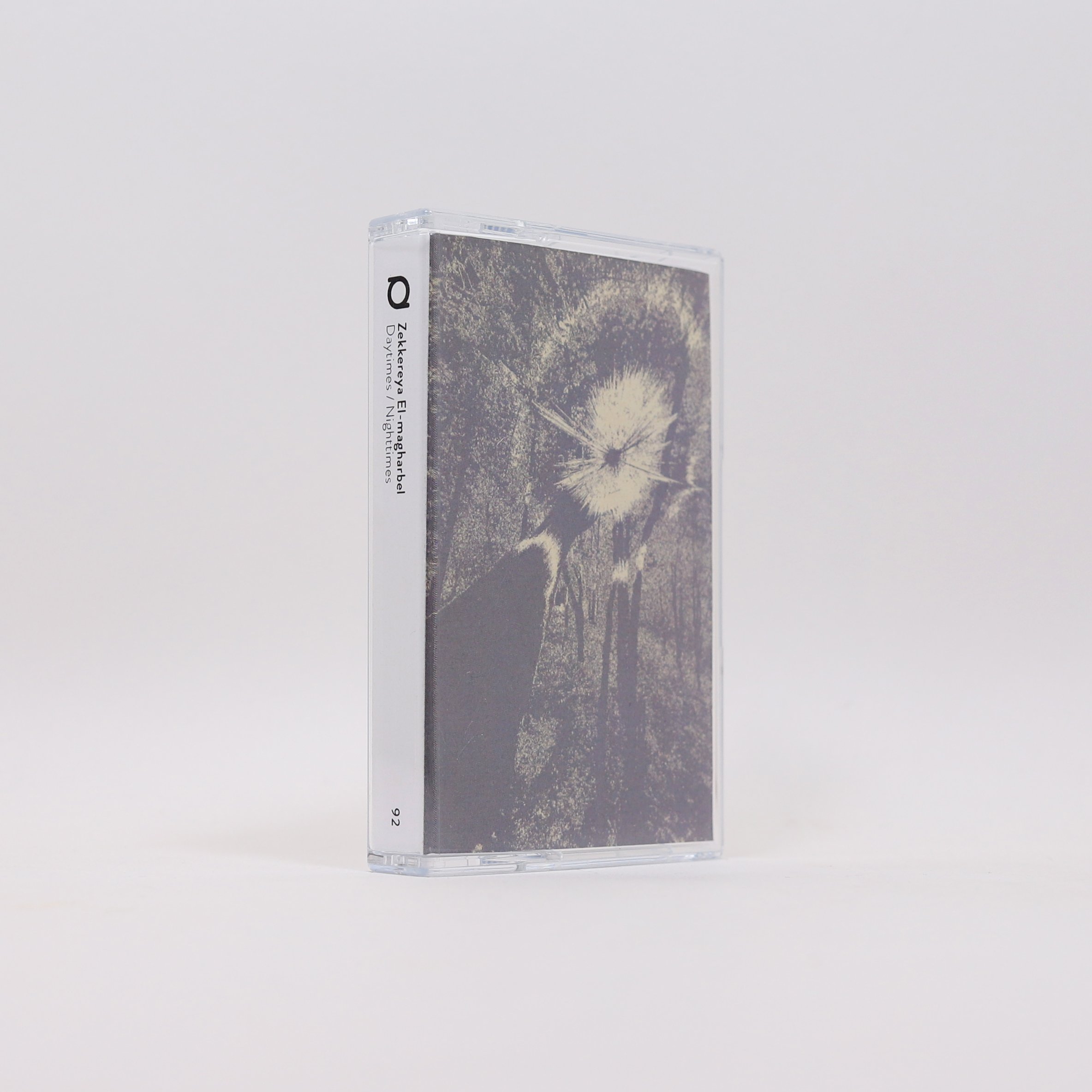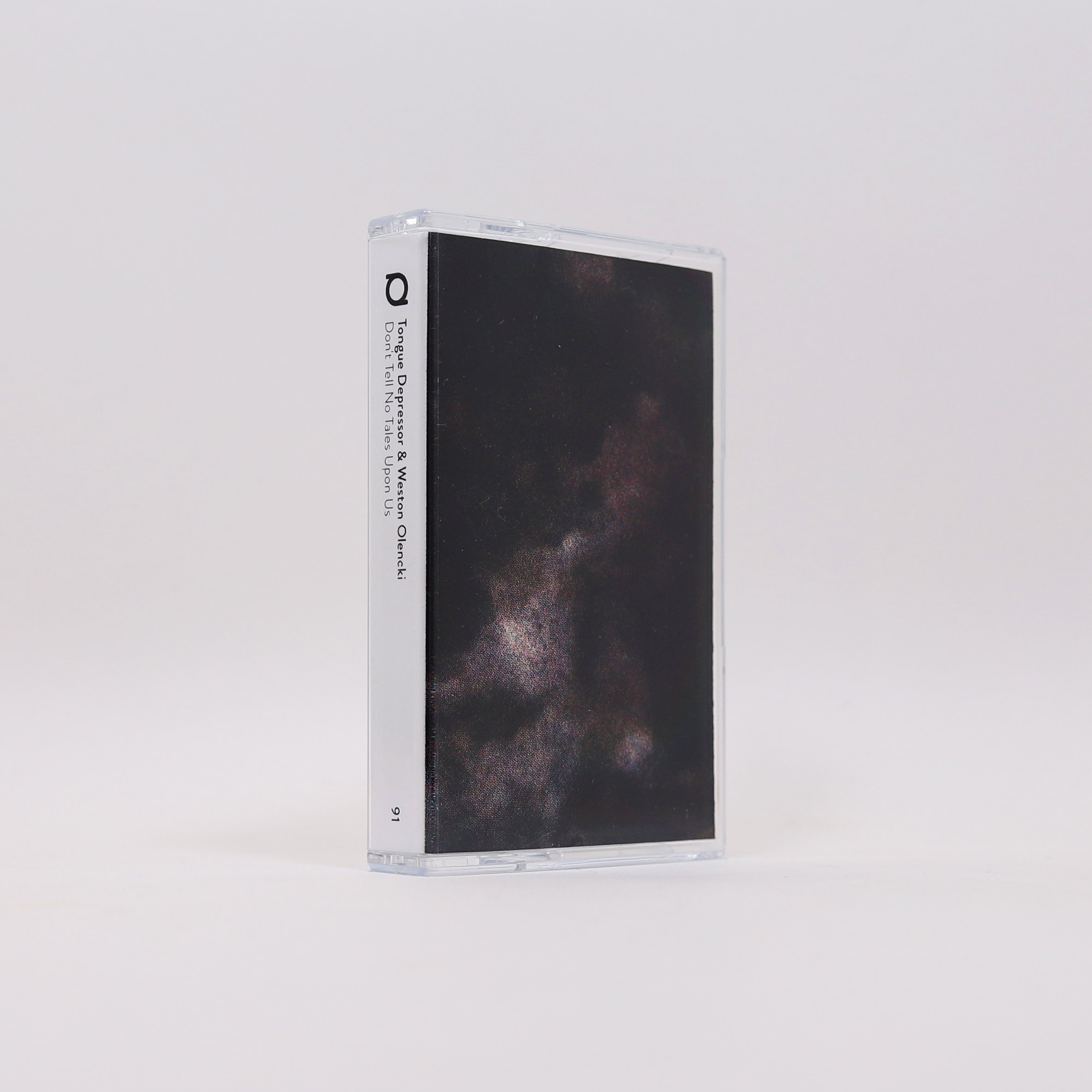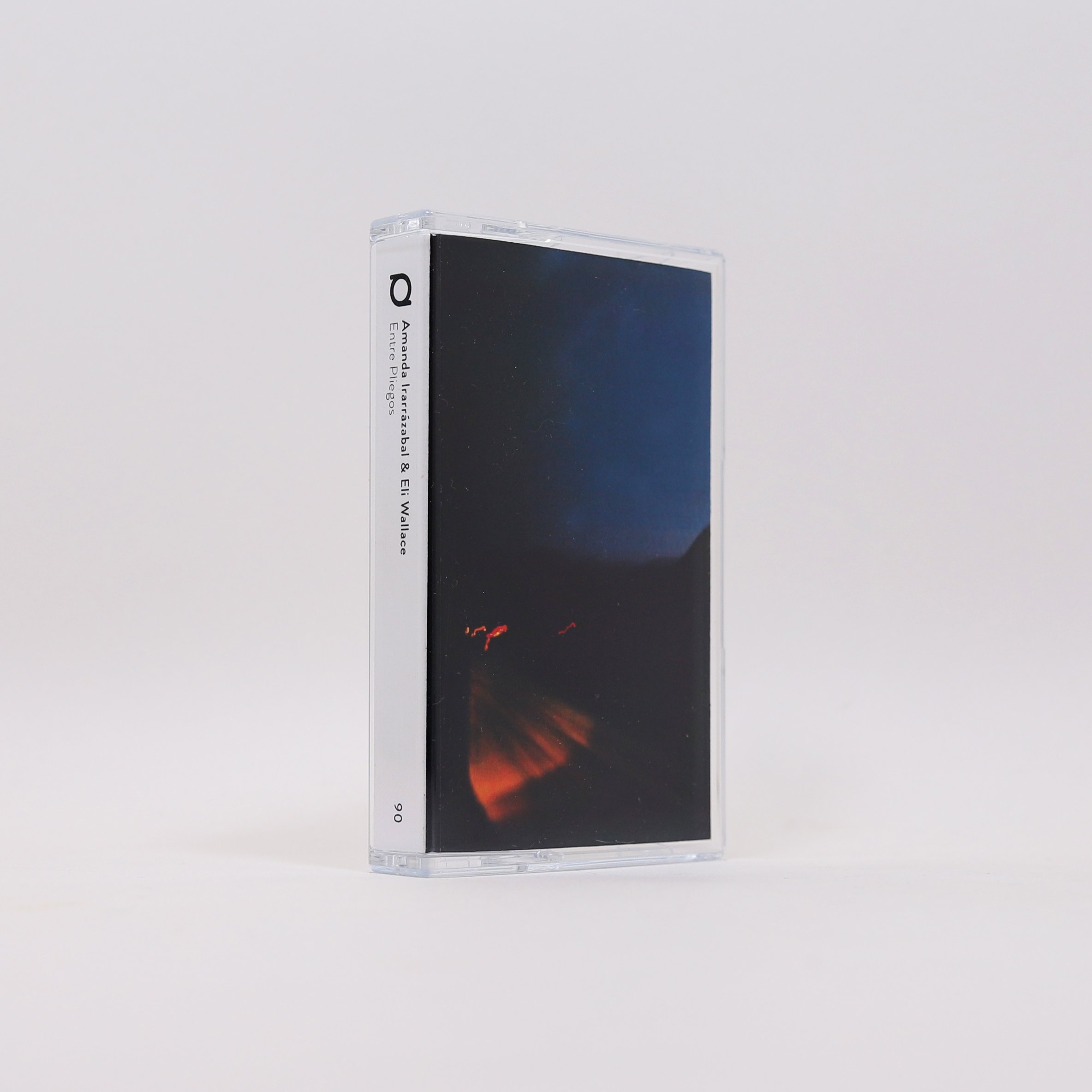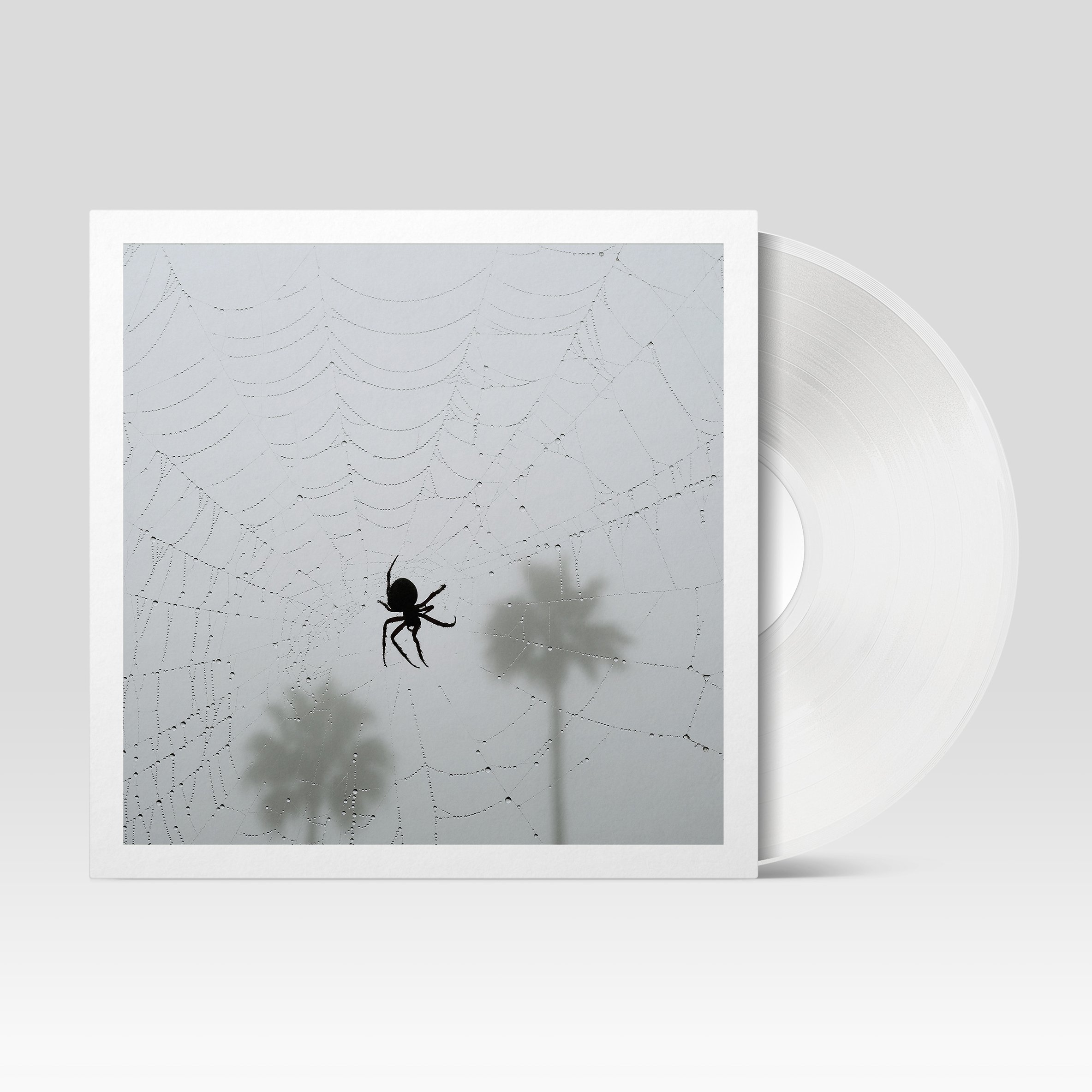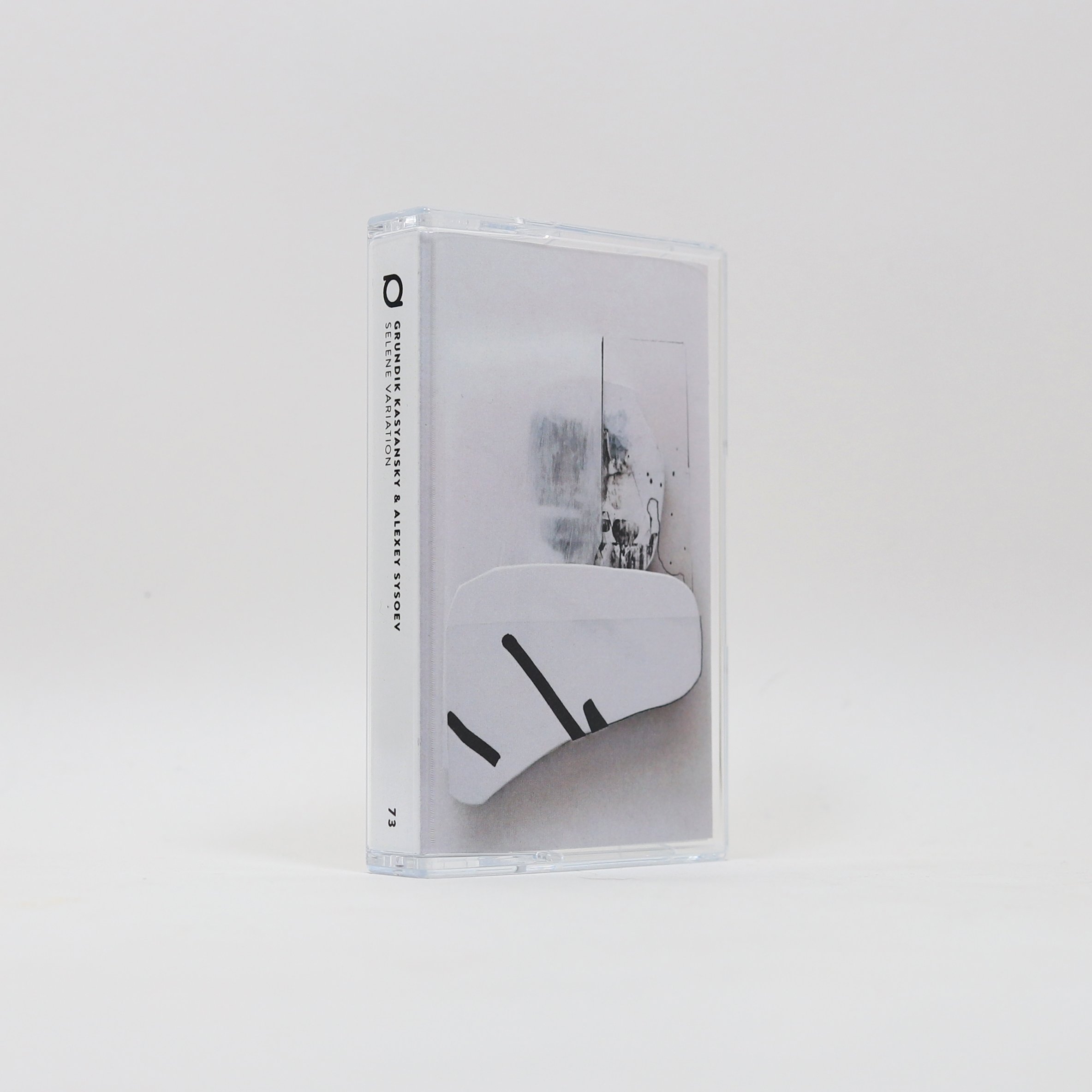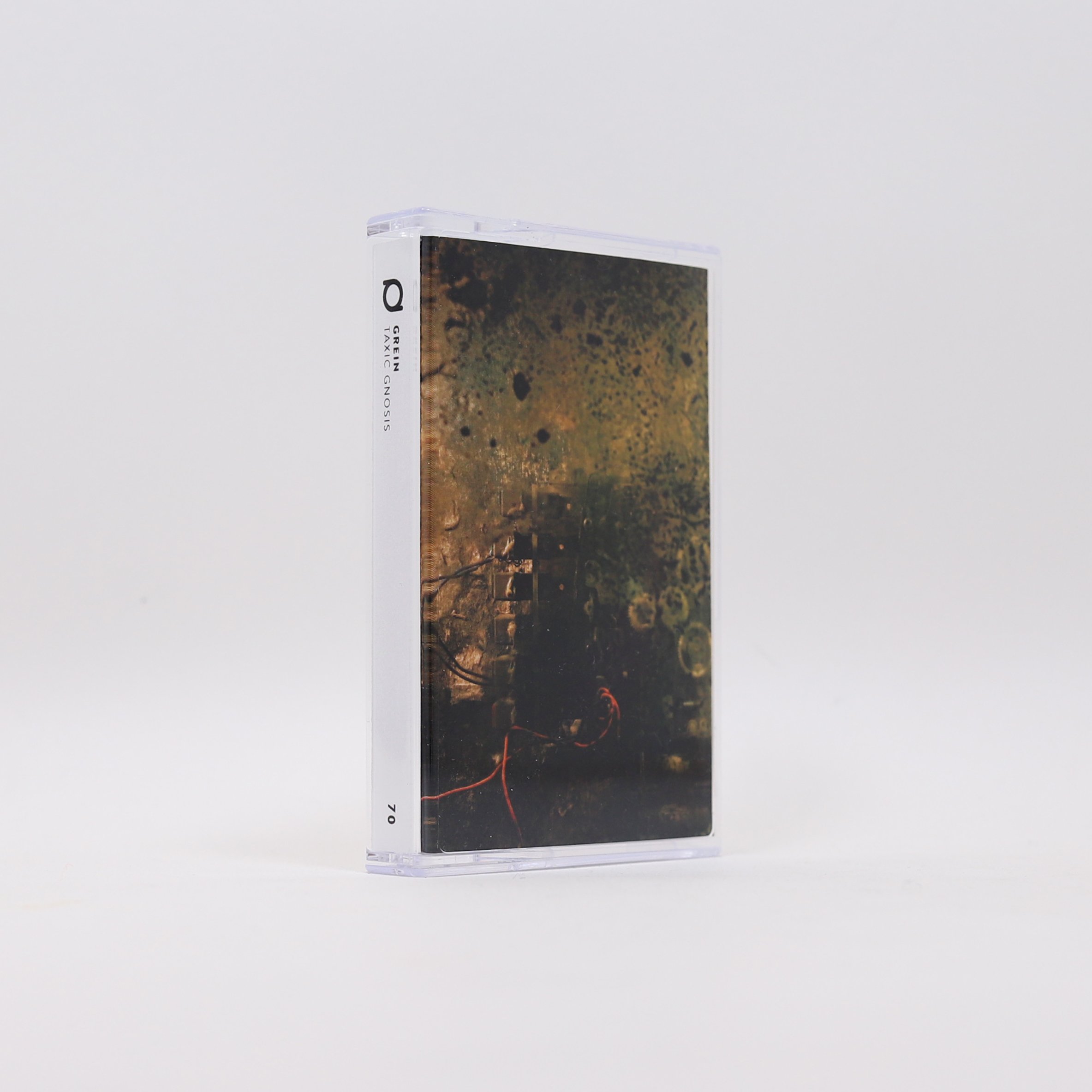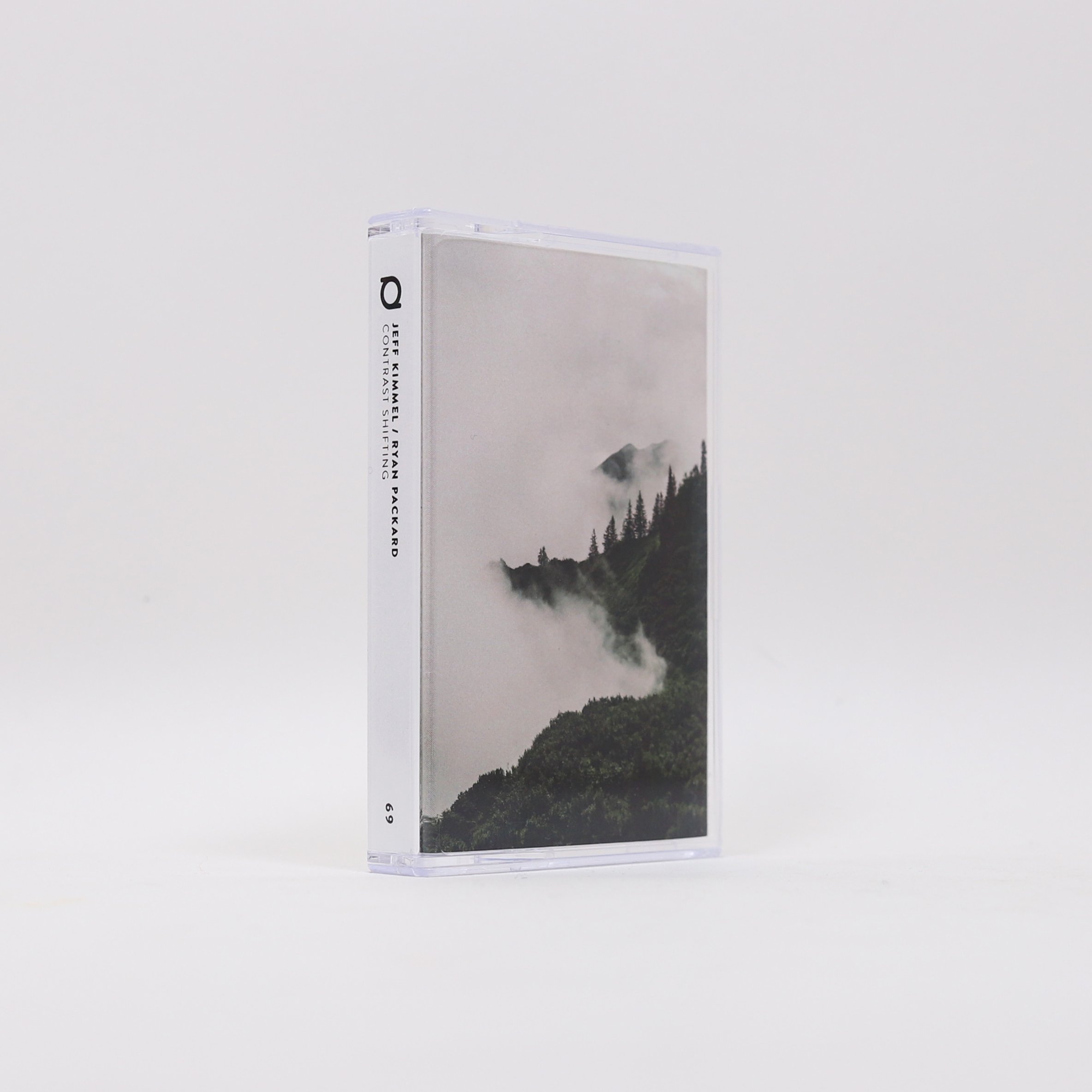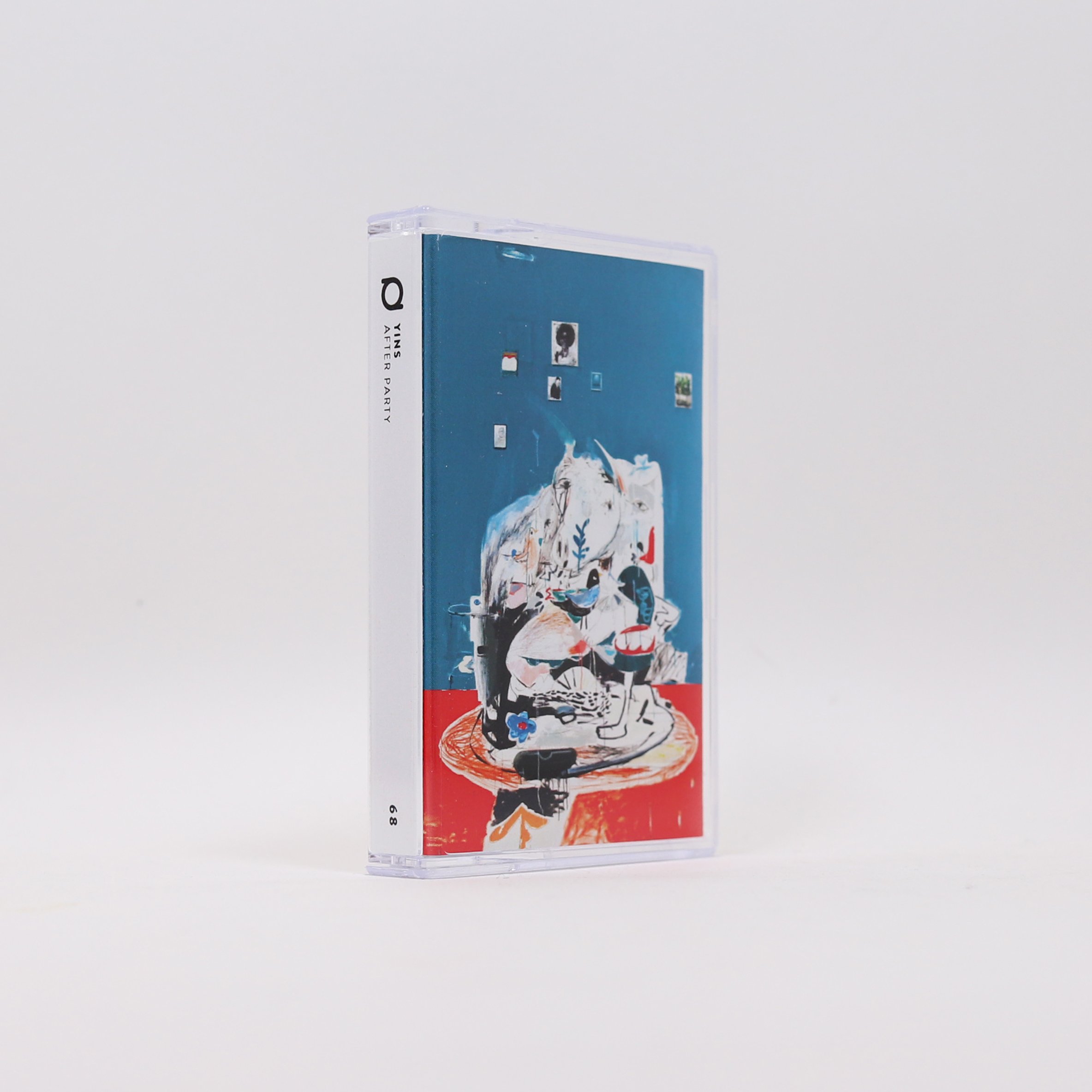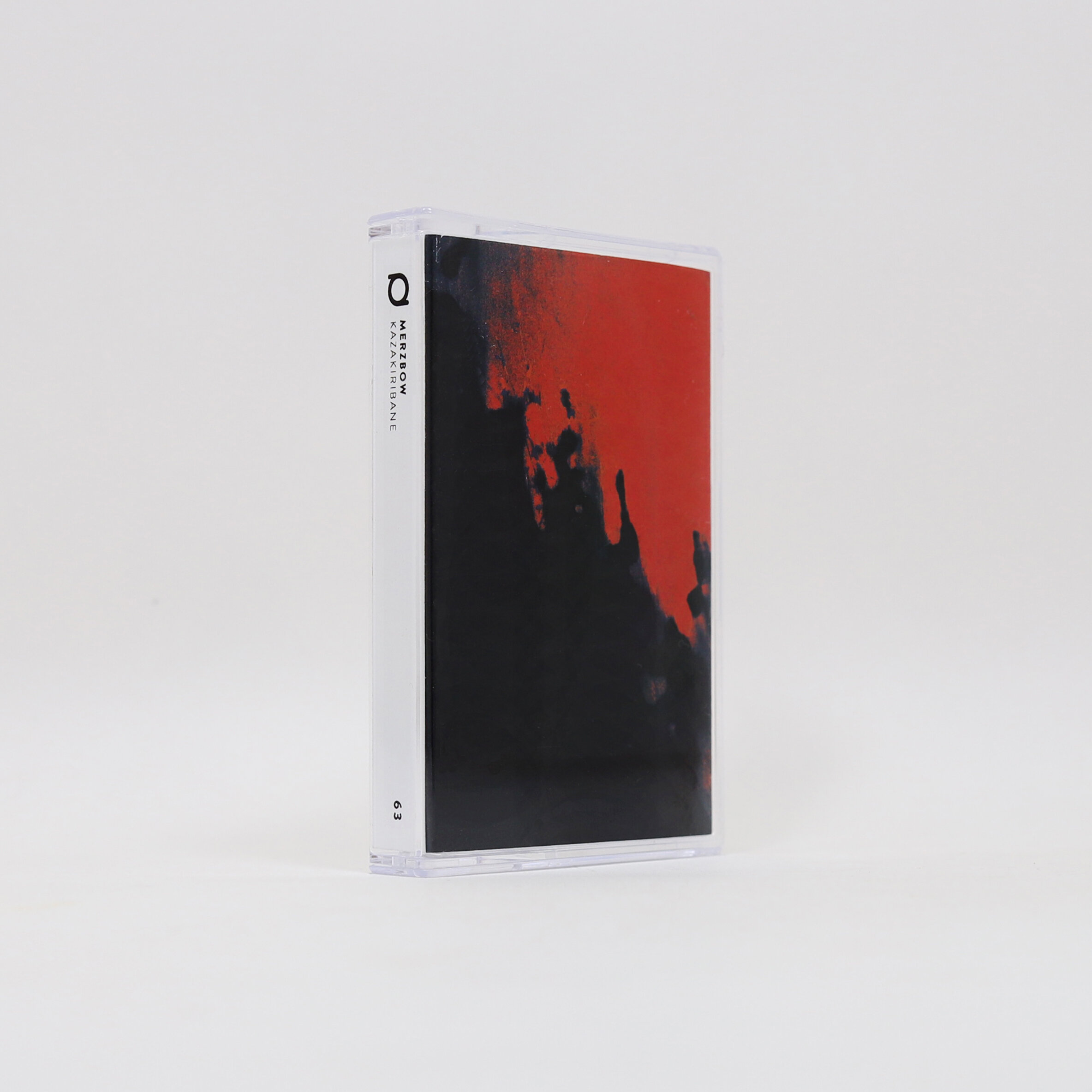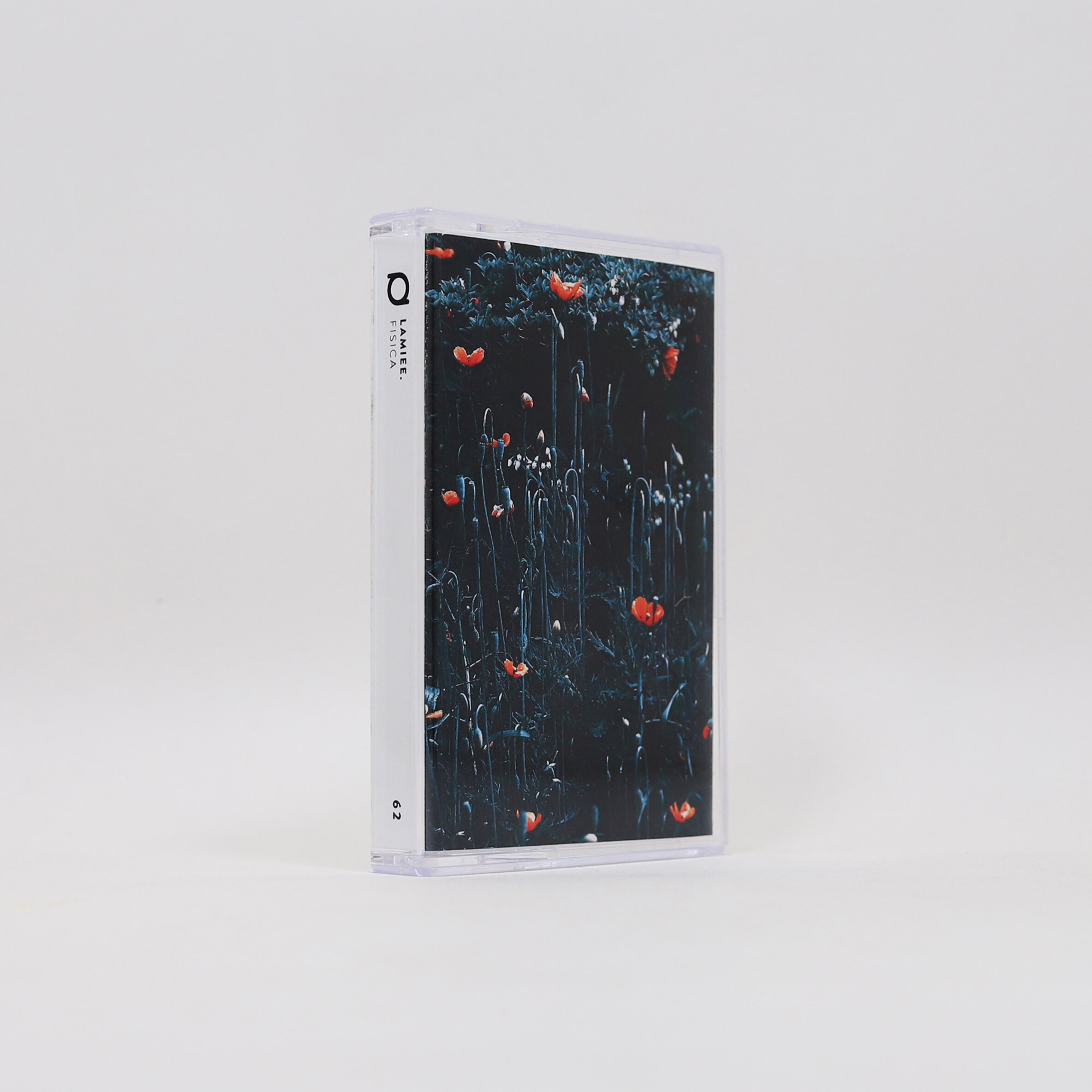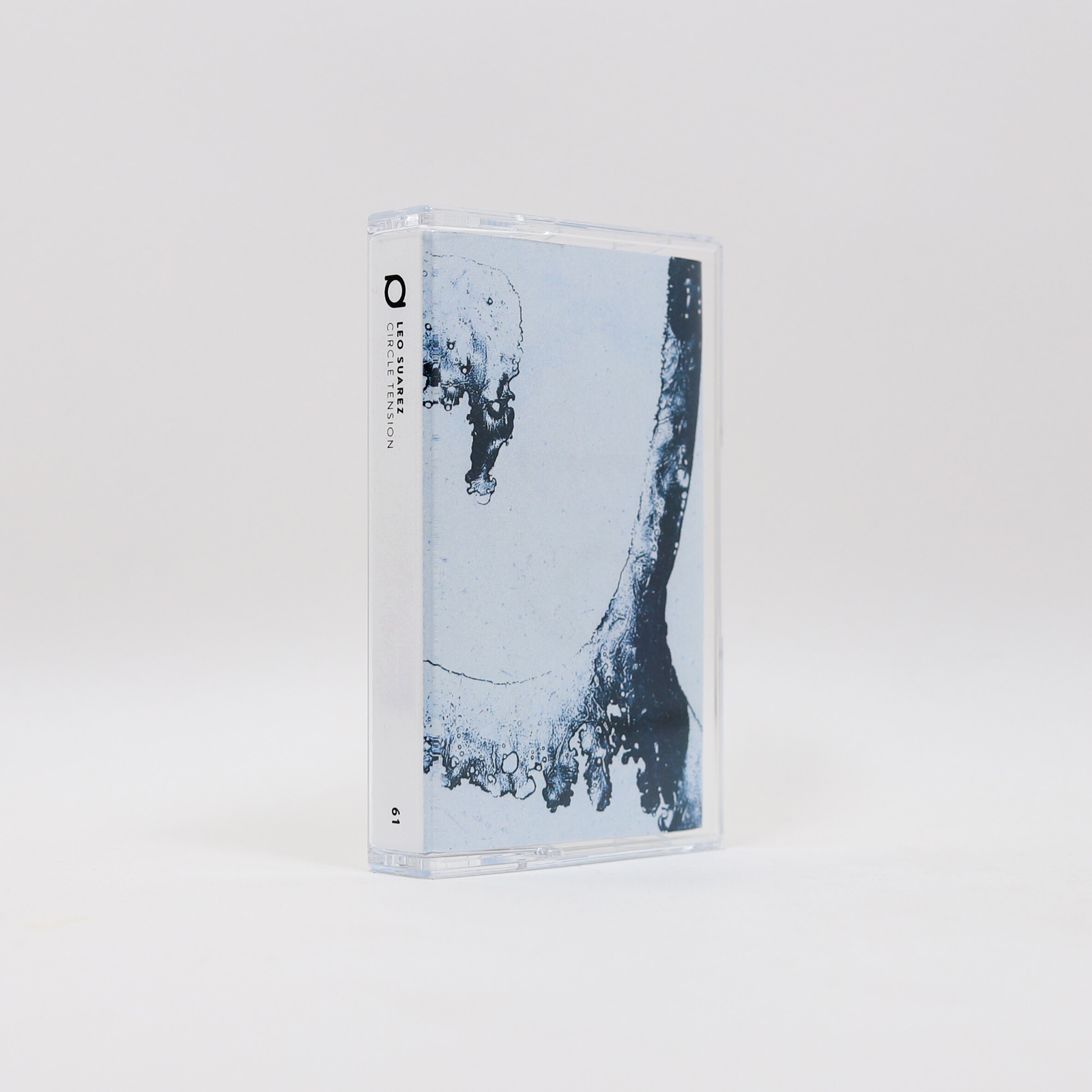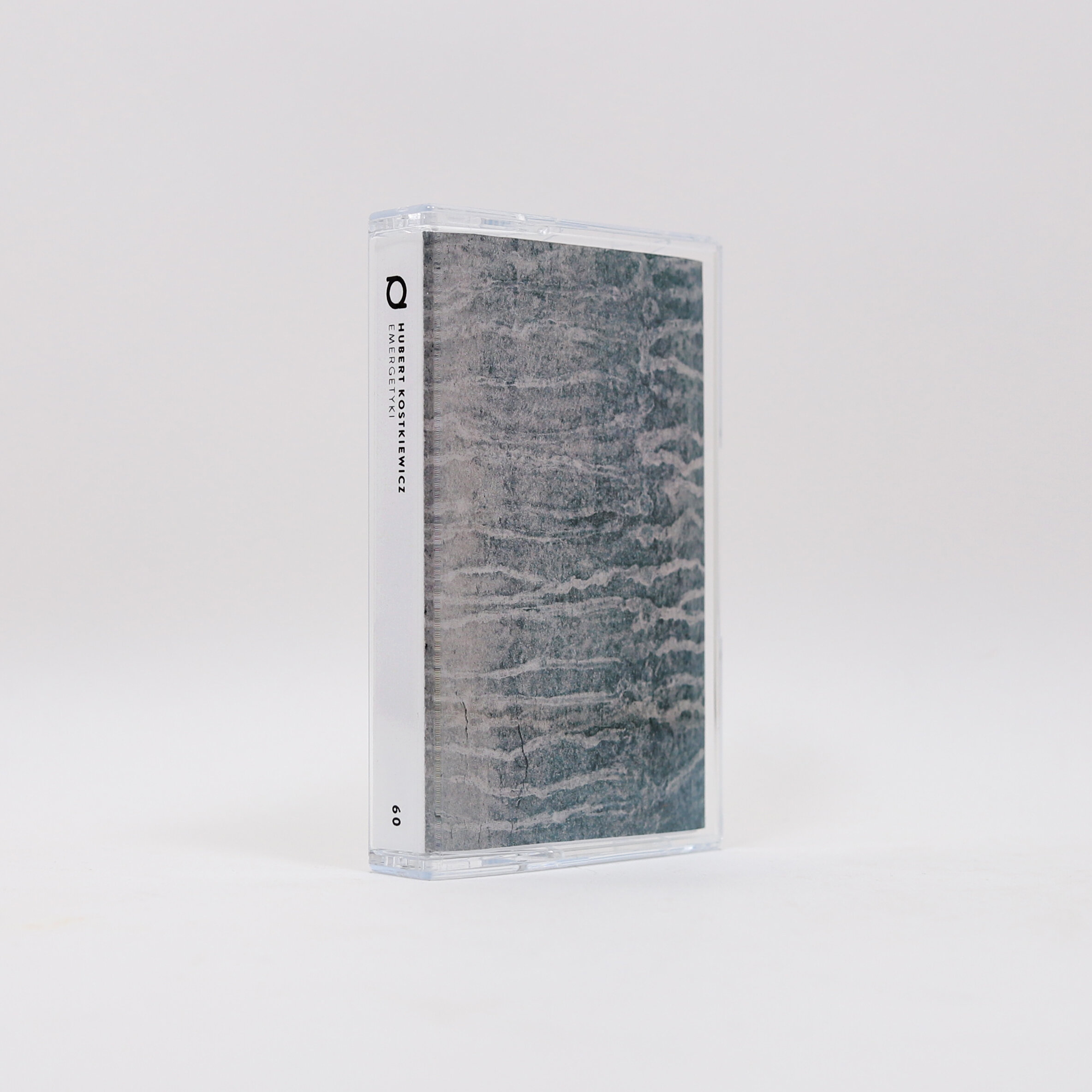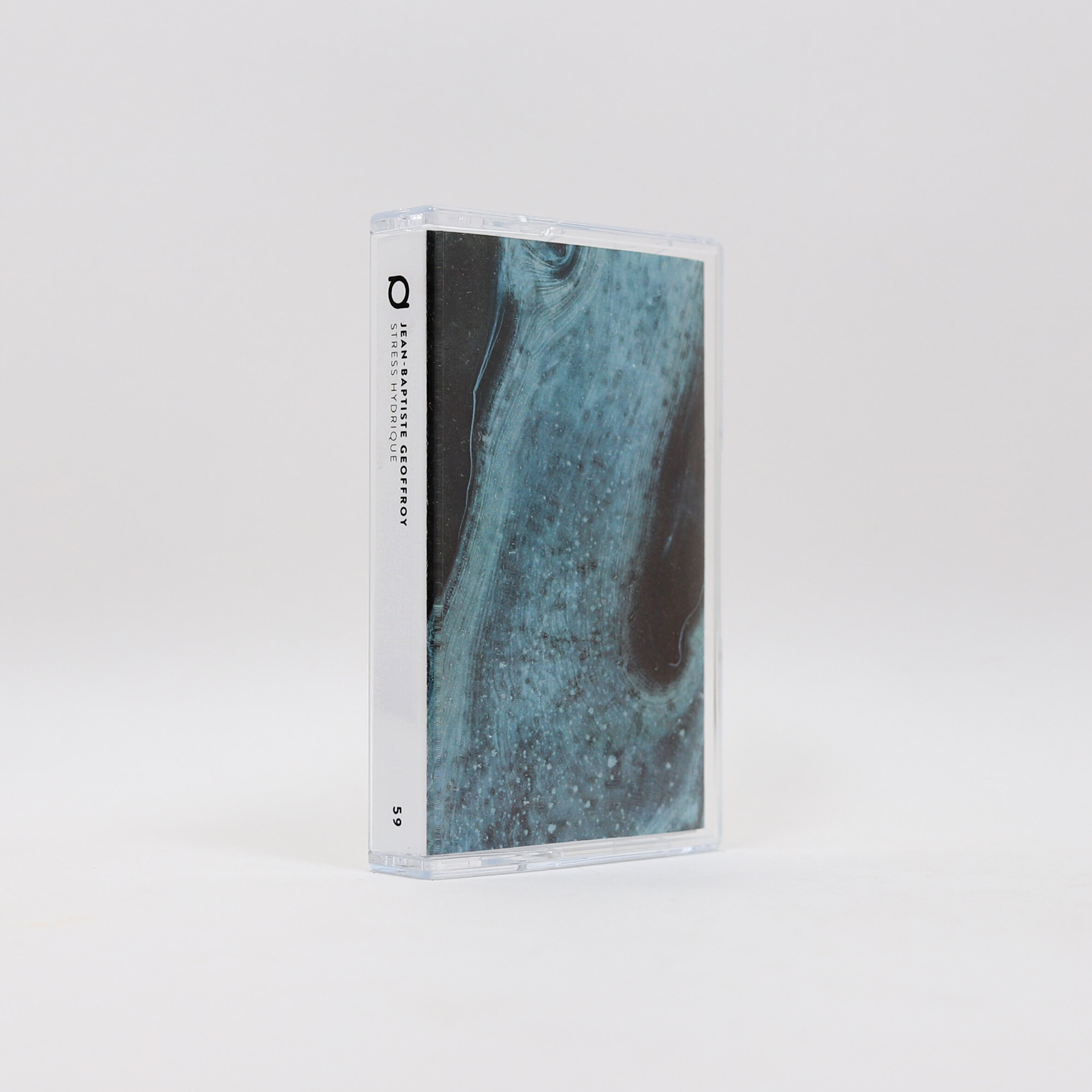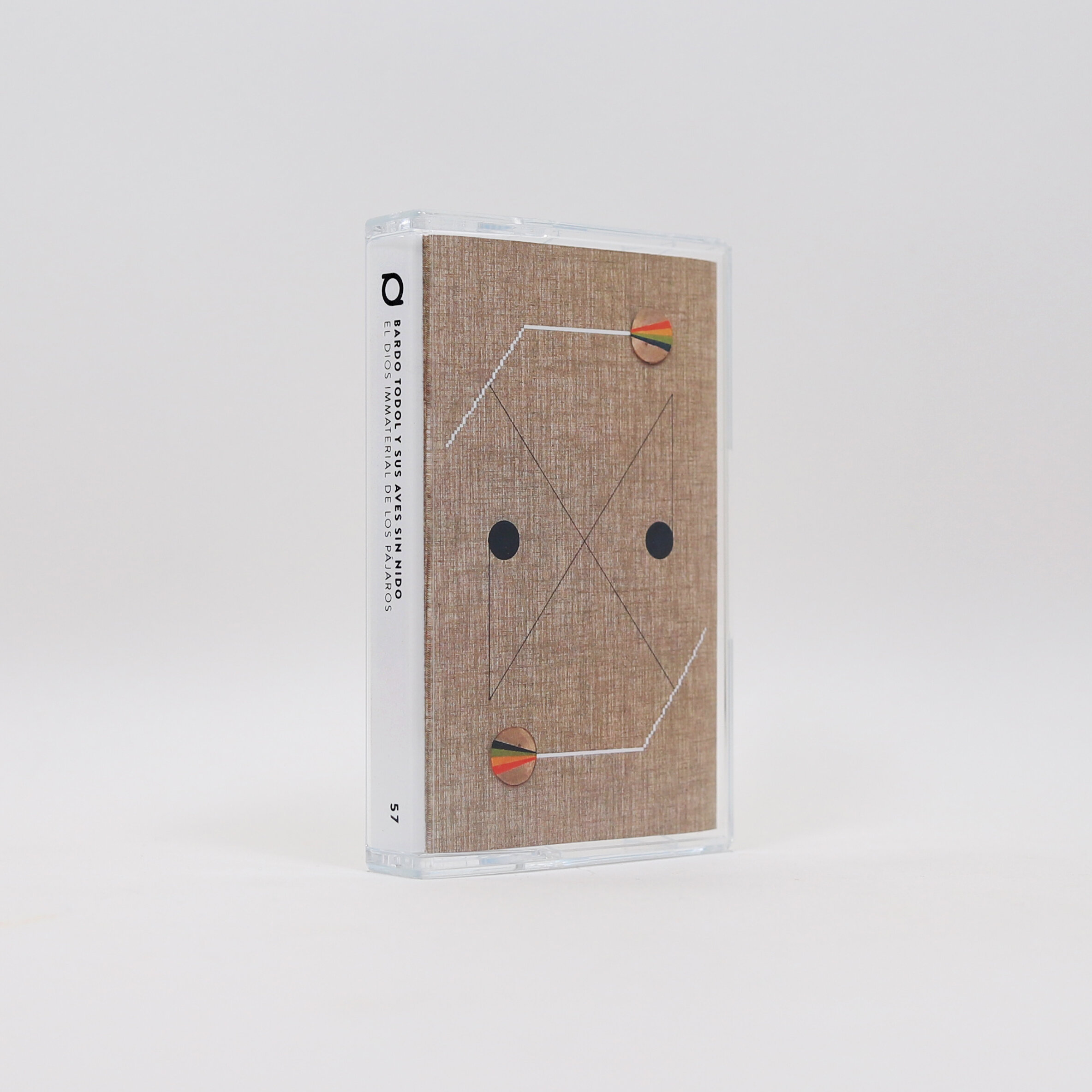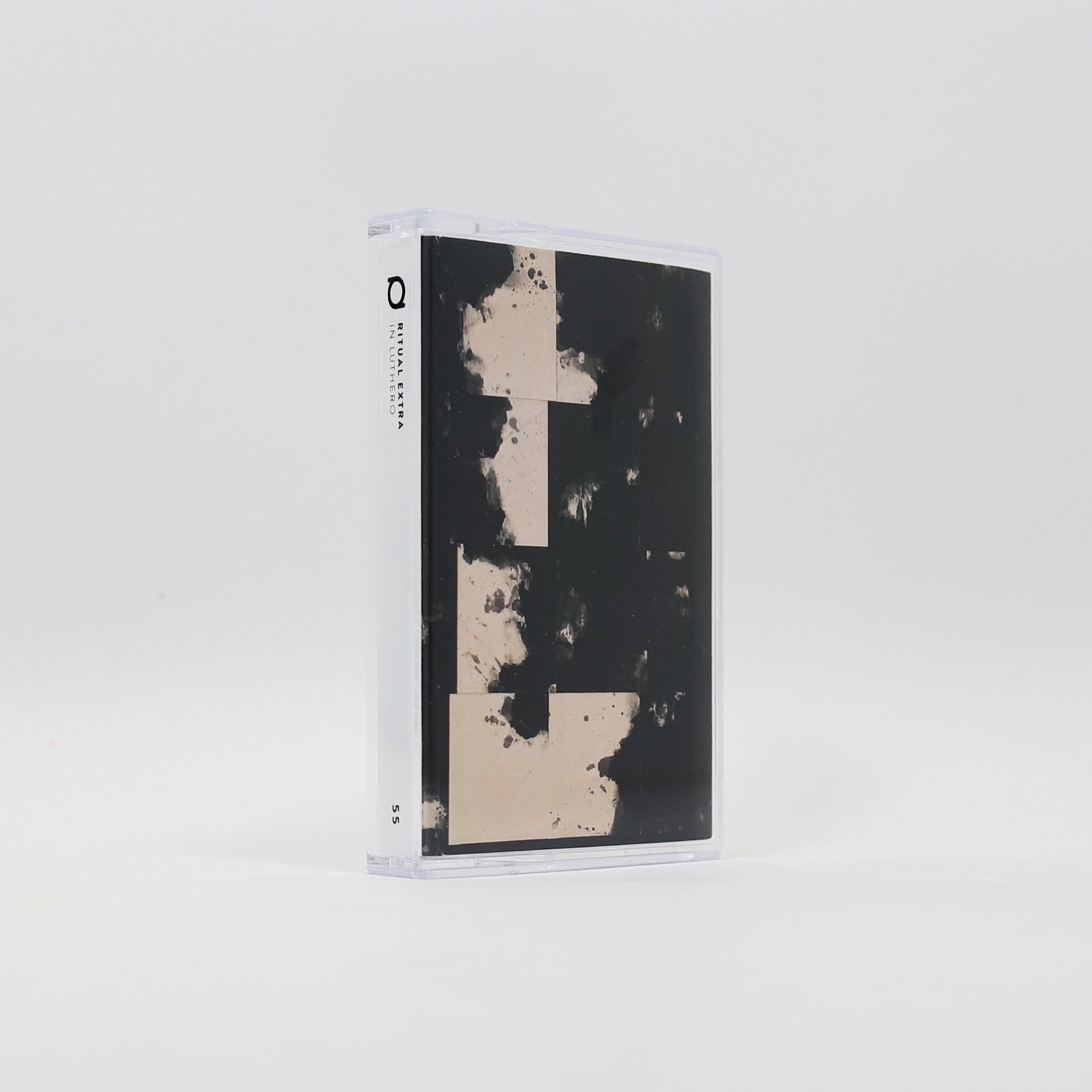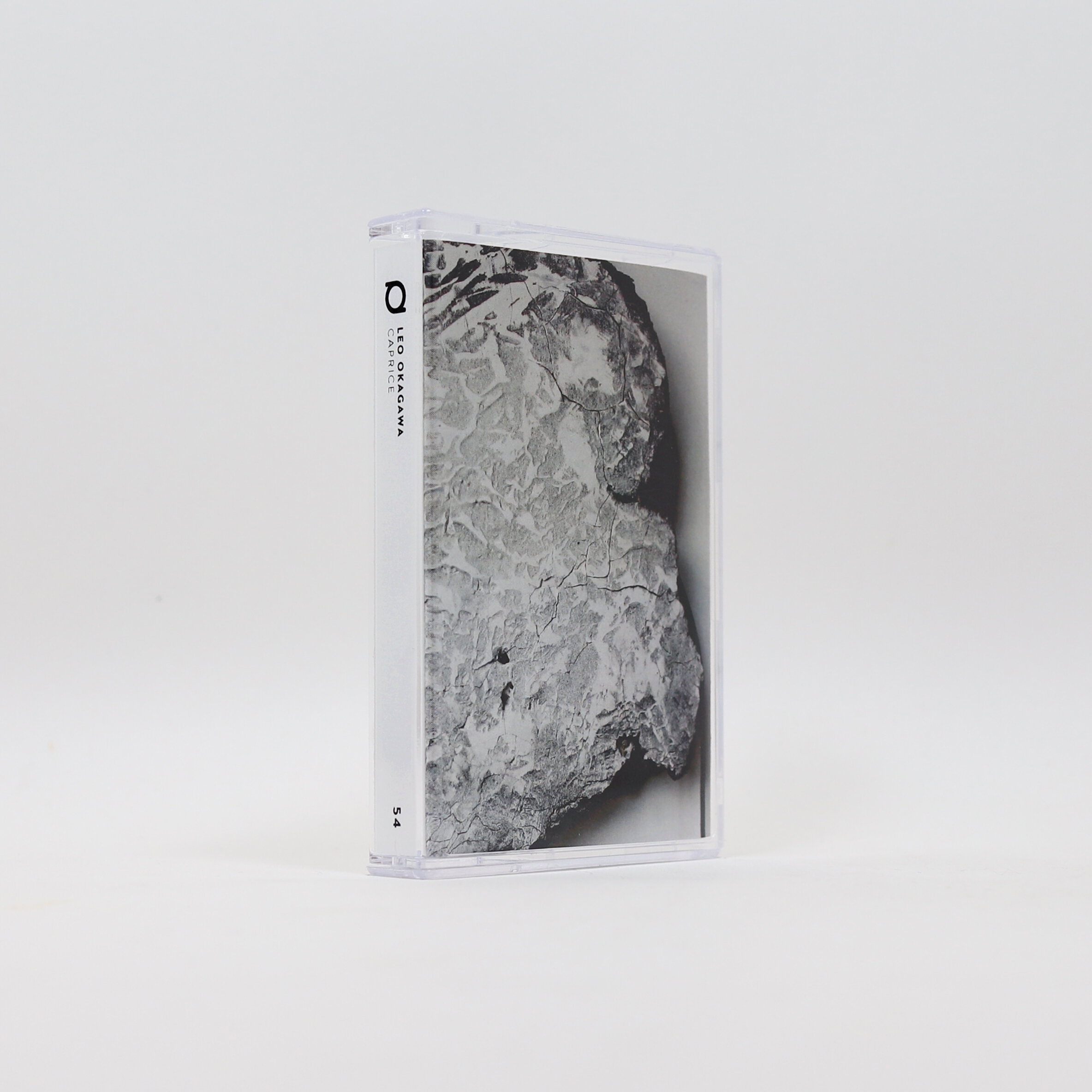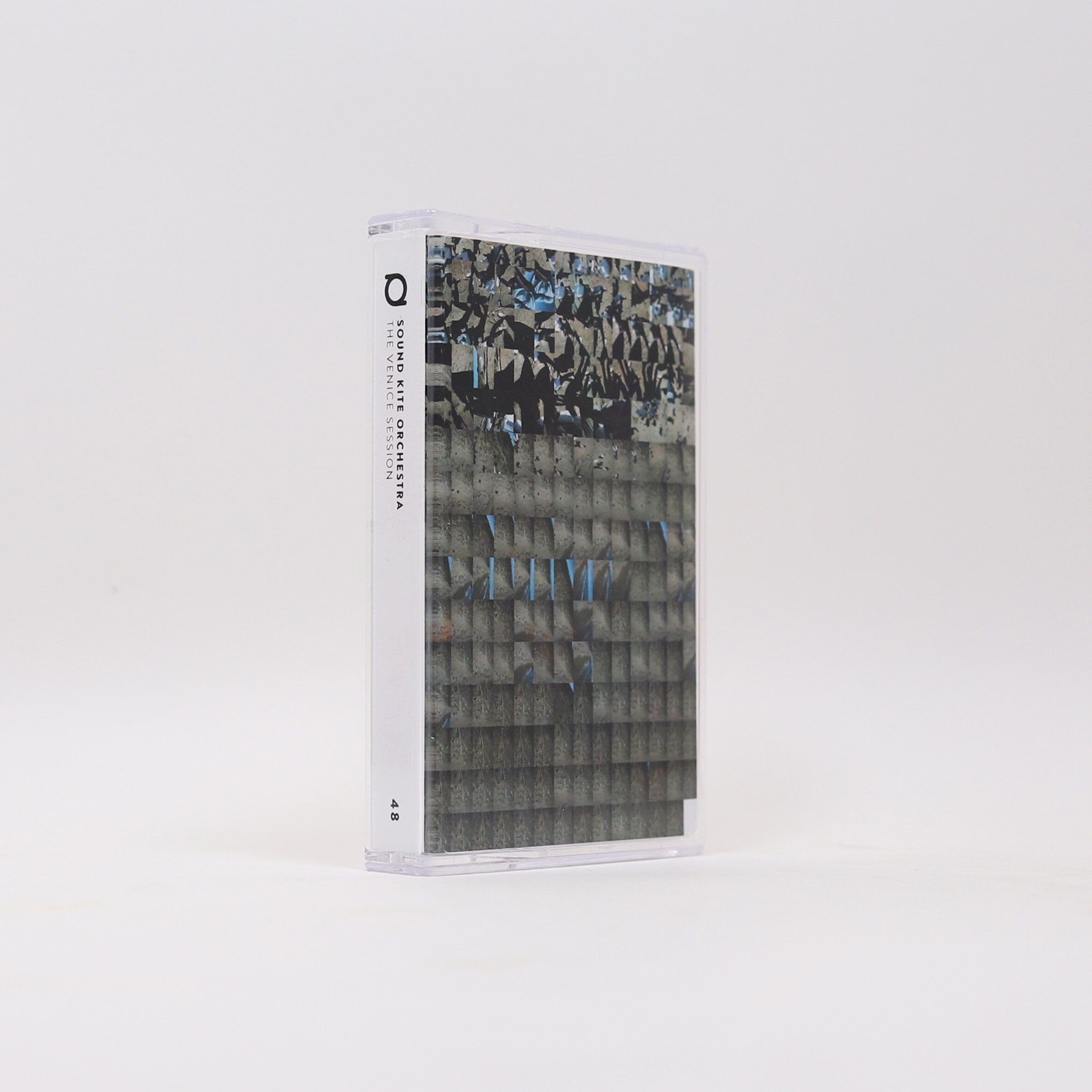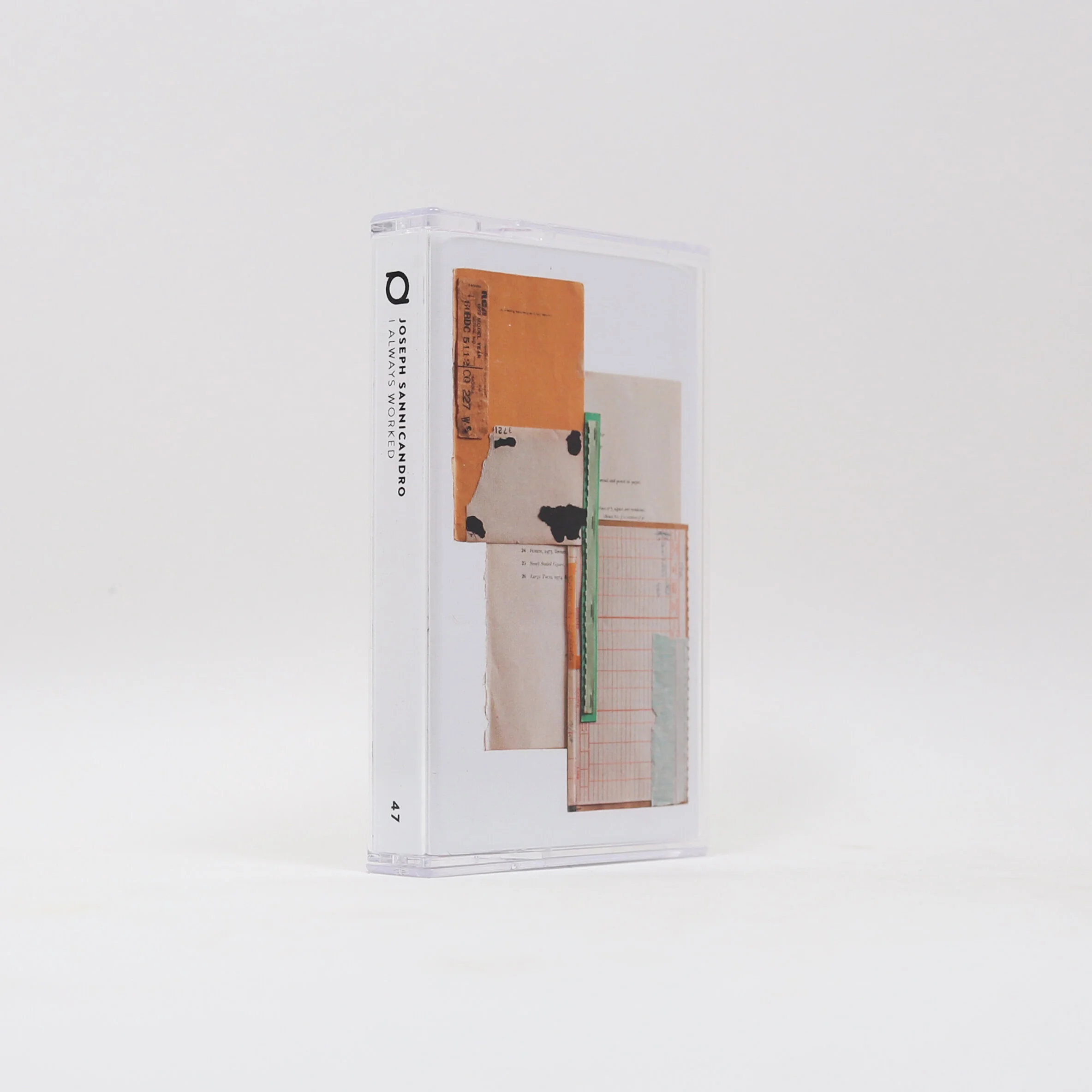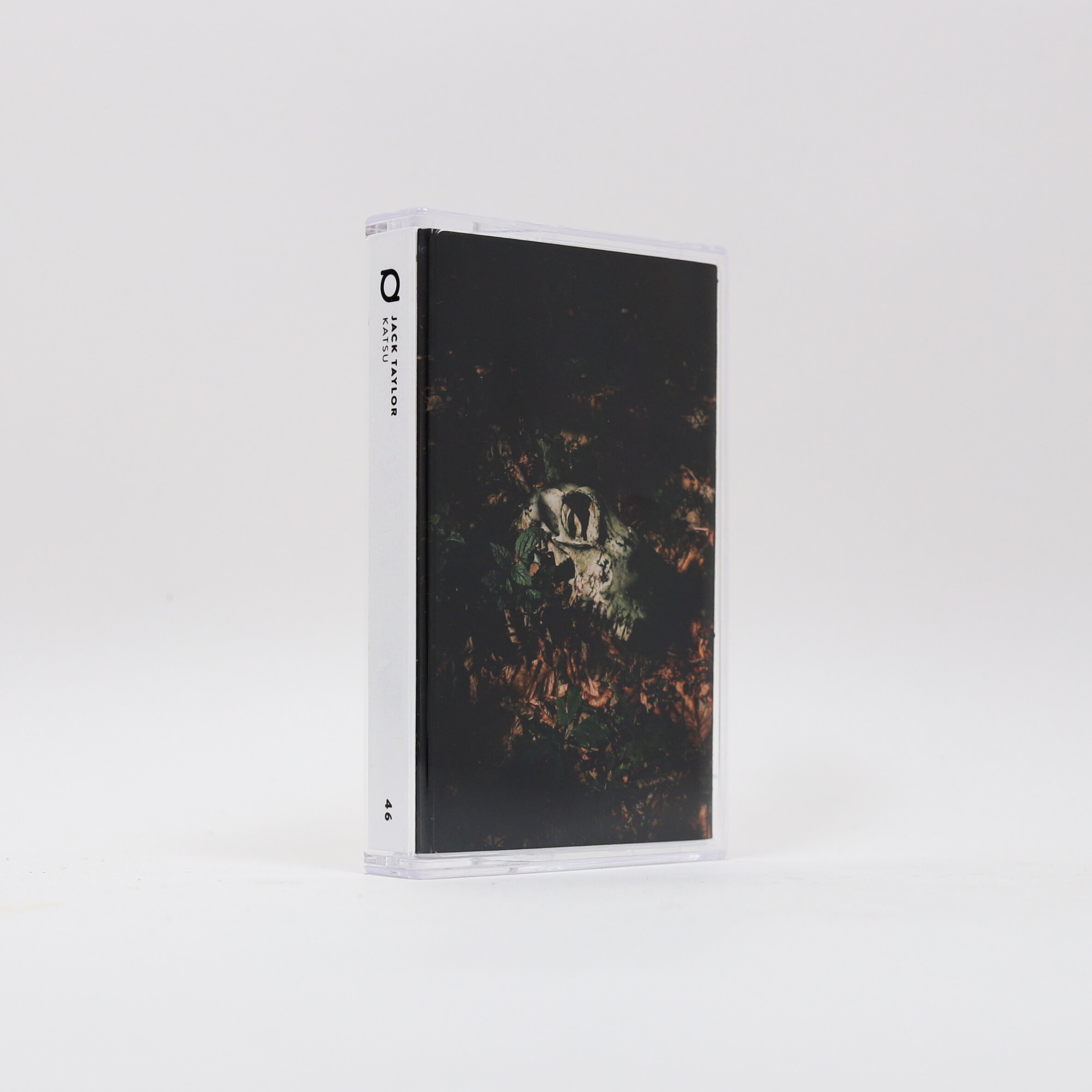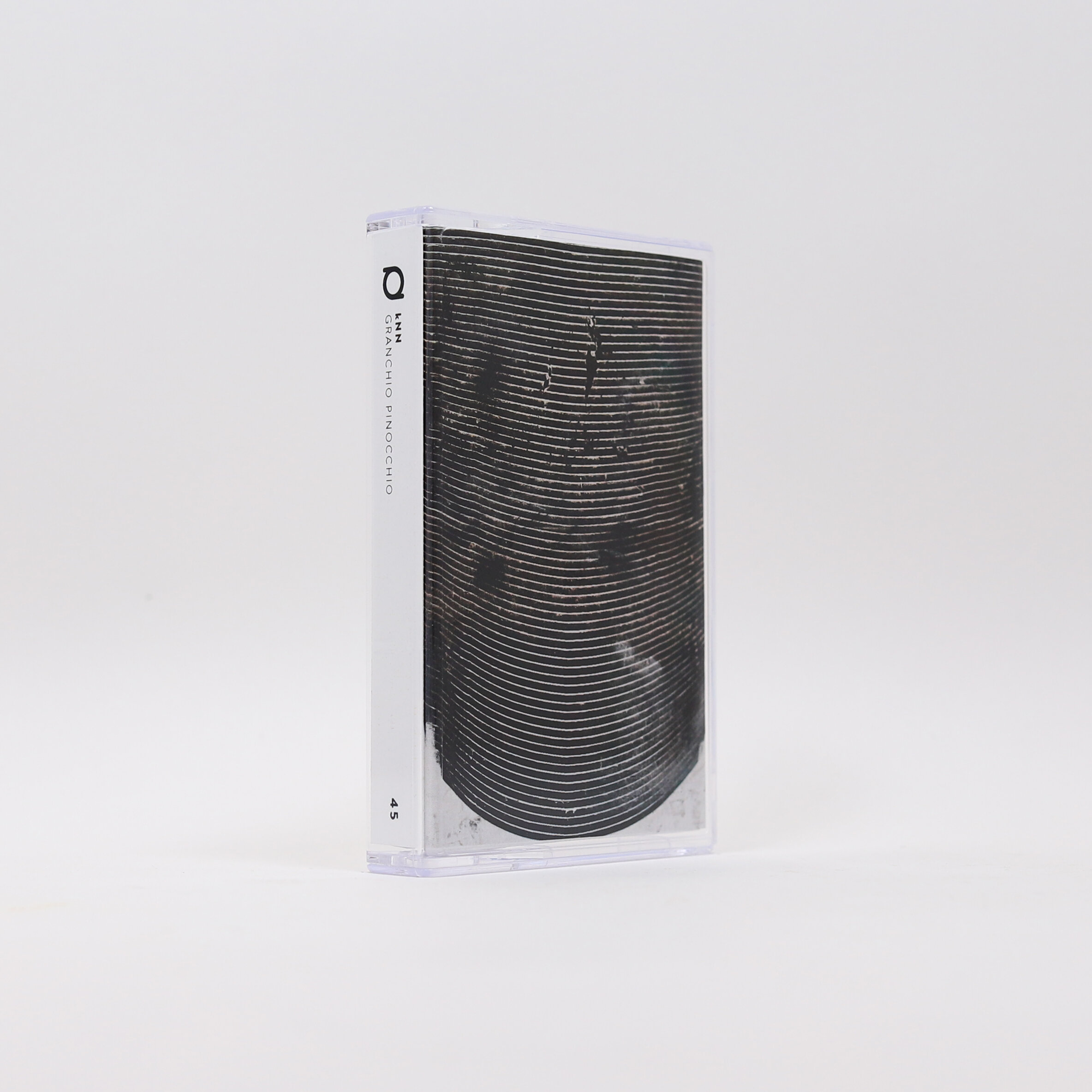
New Releases
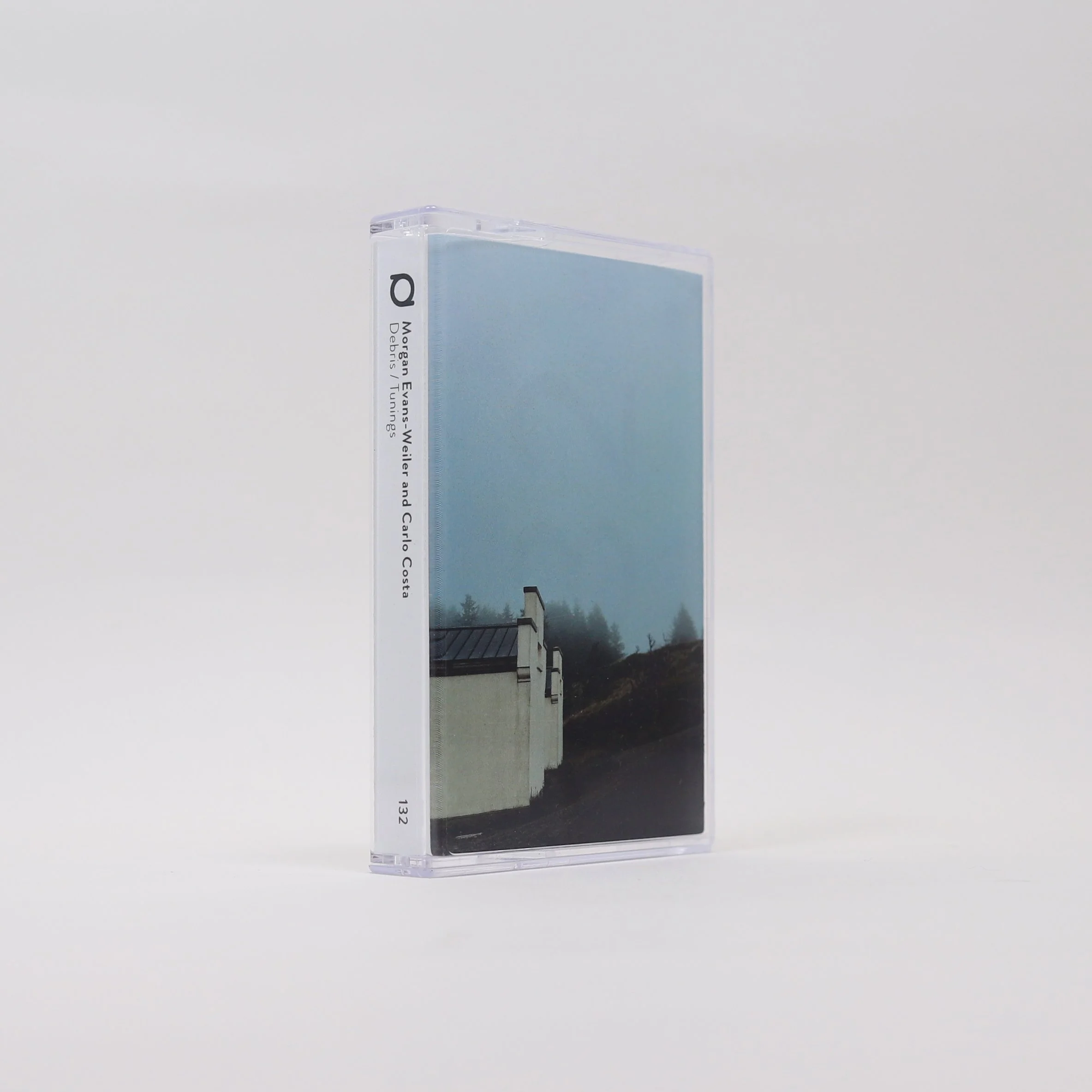
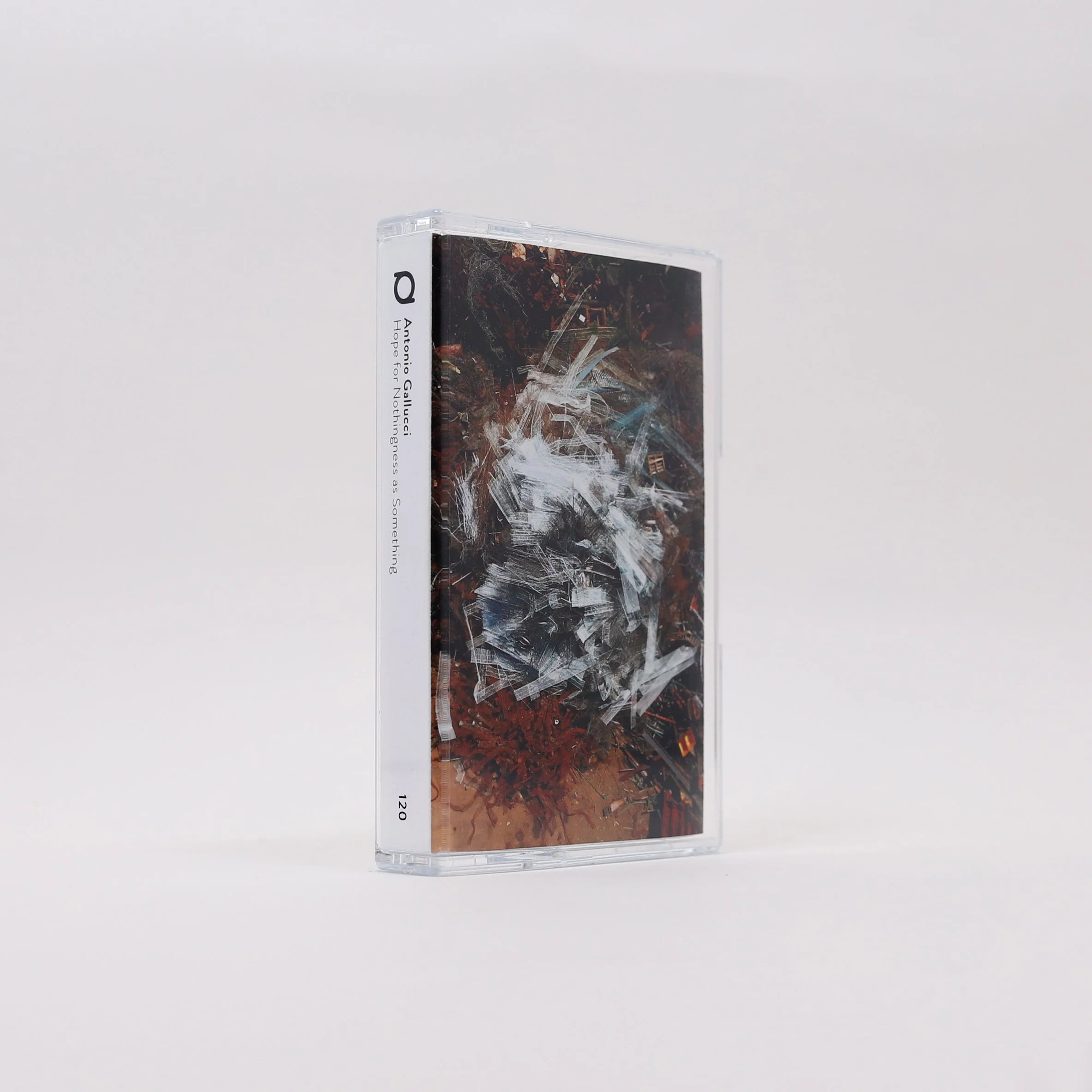
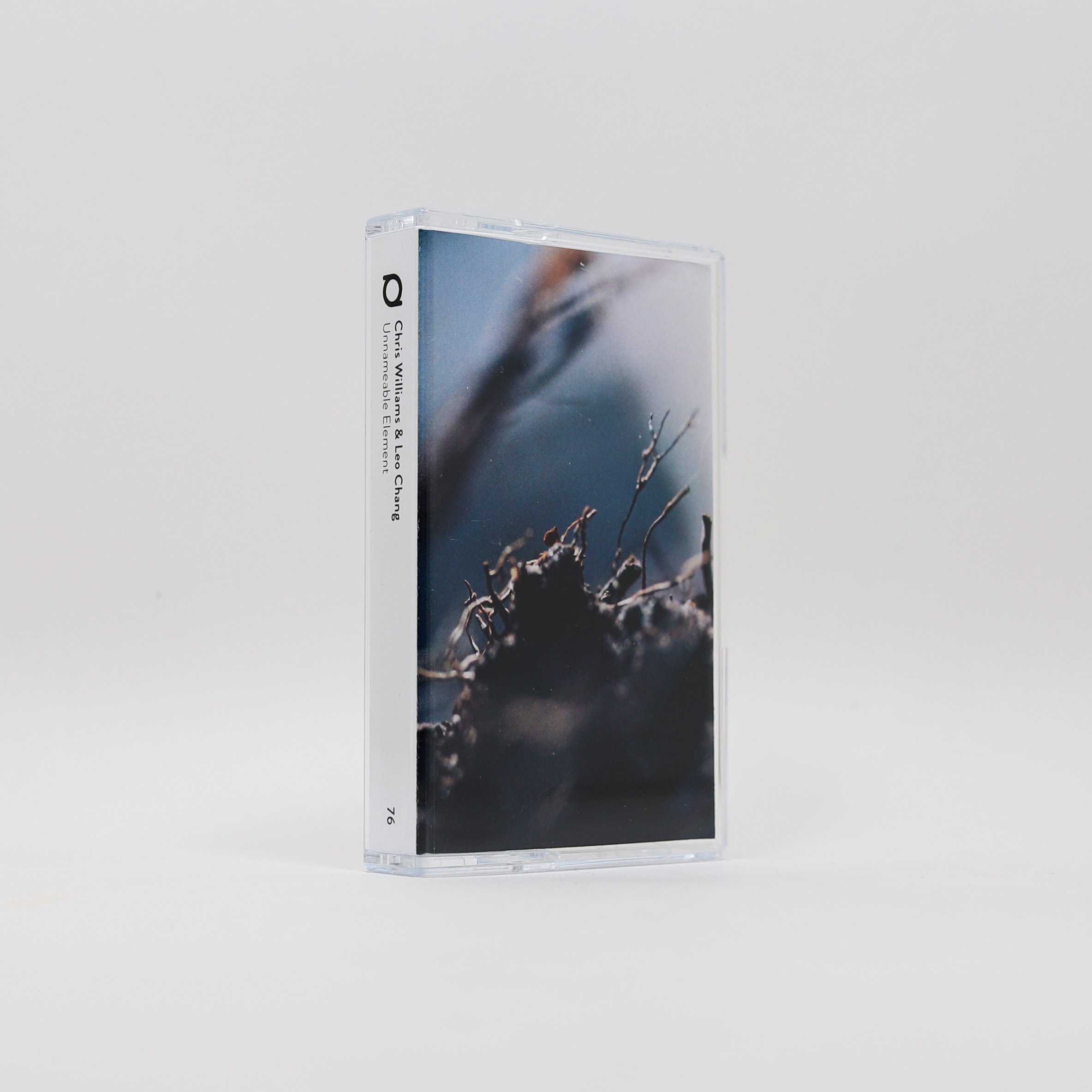
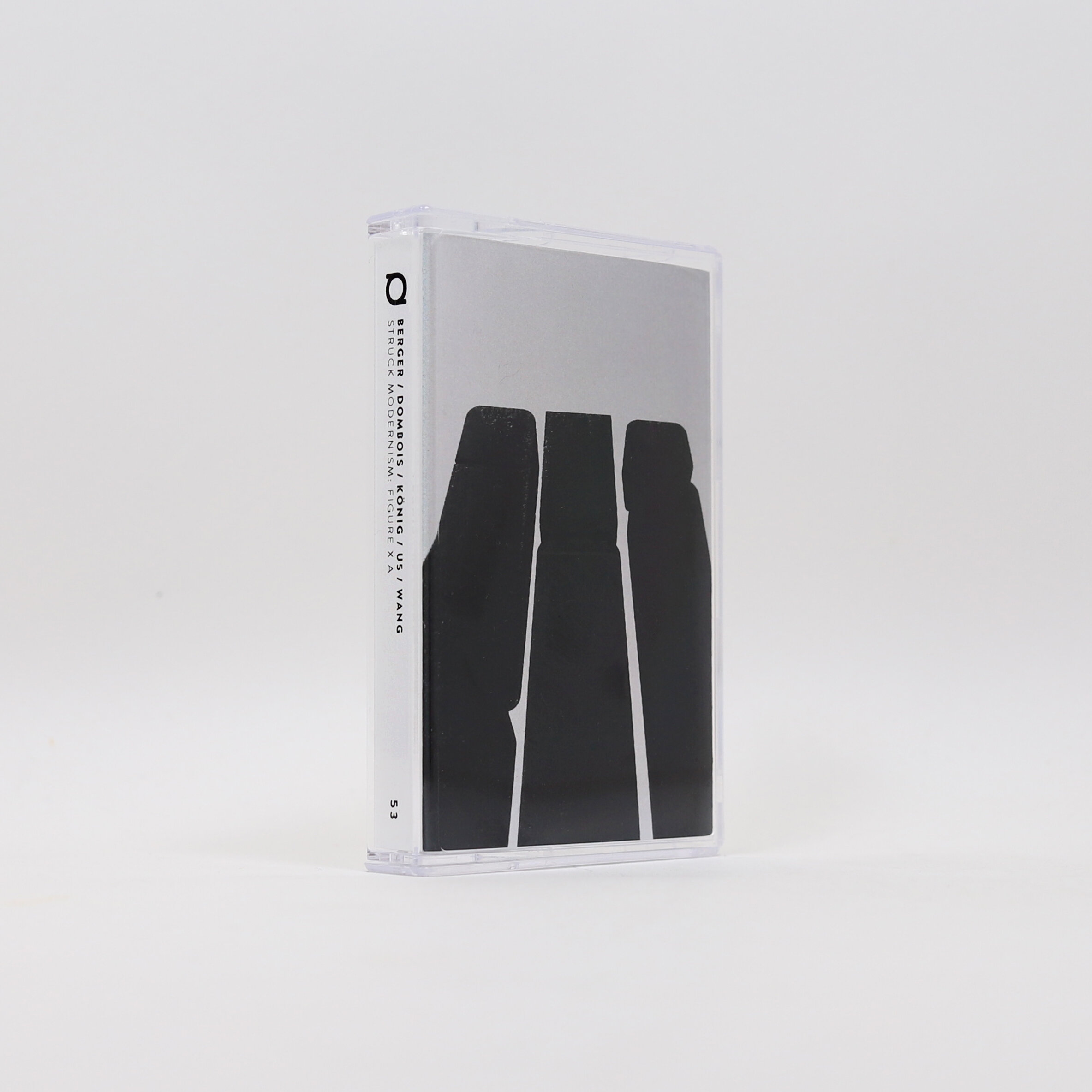
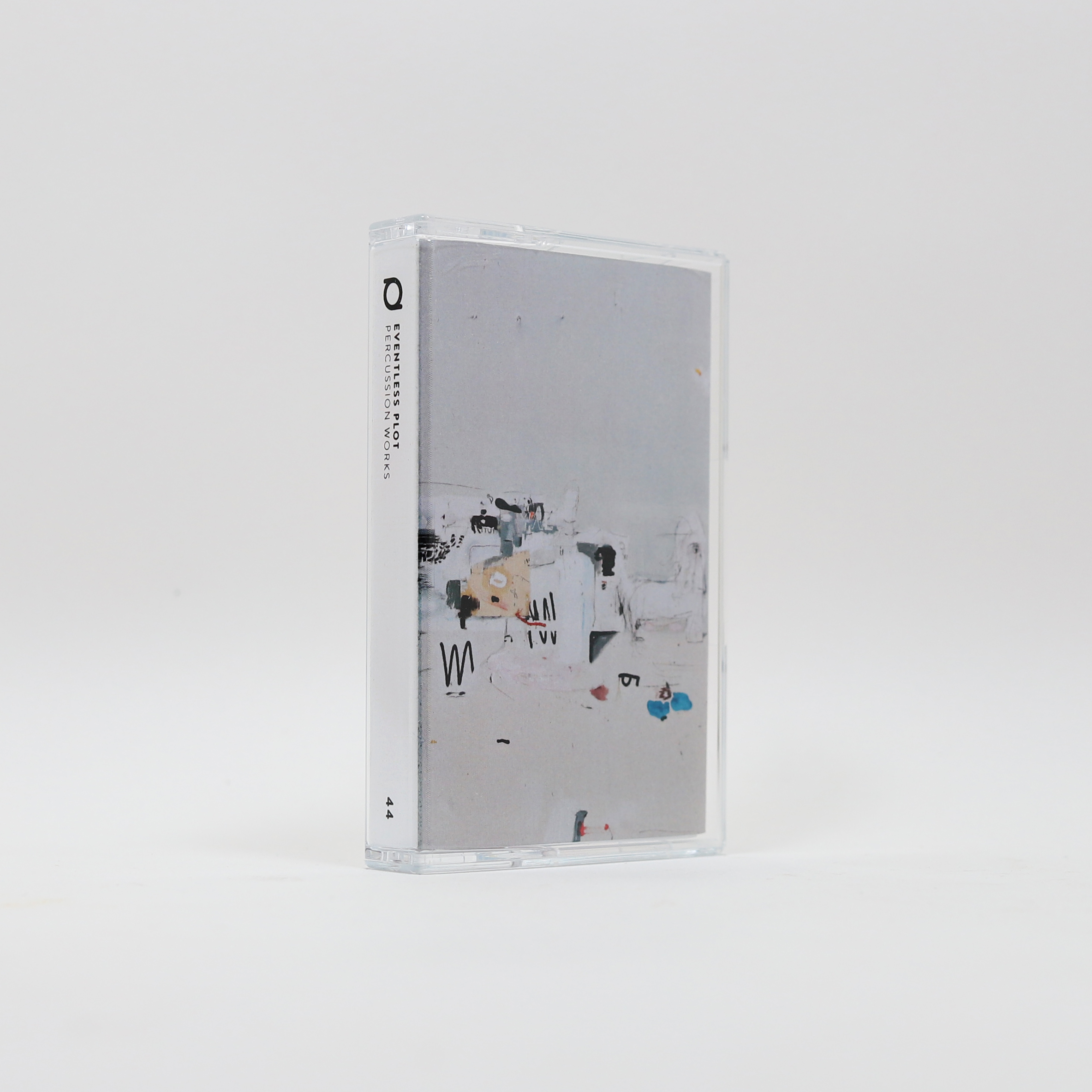
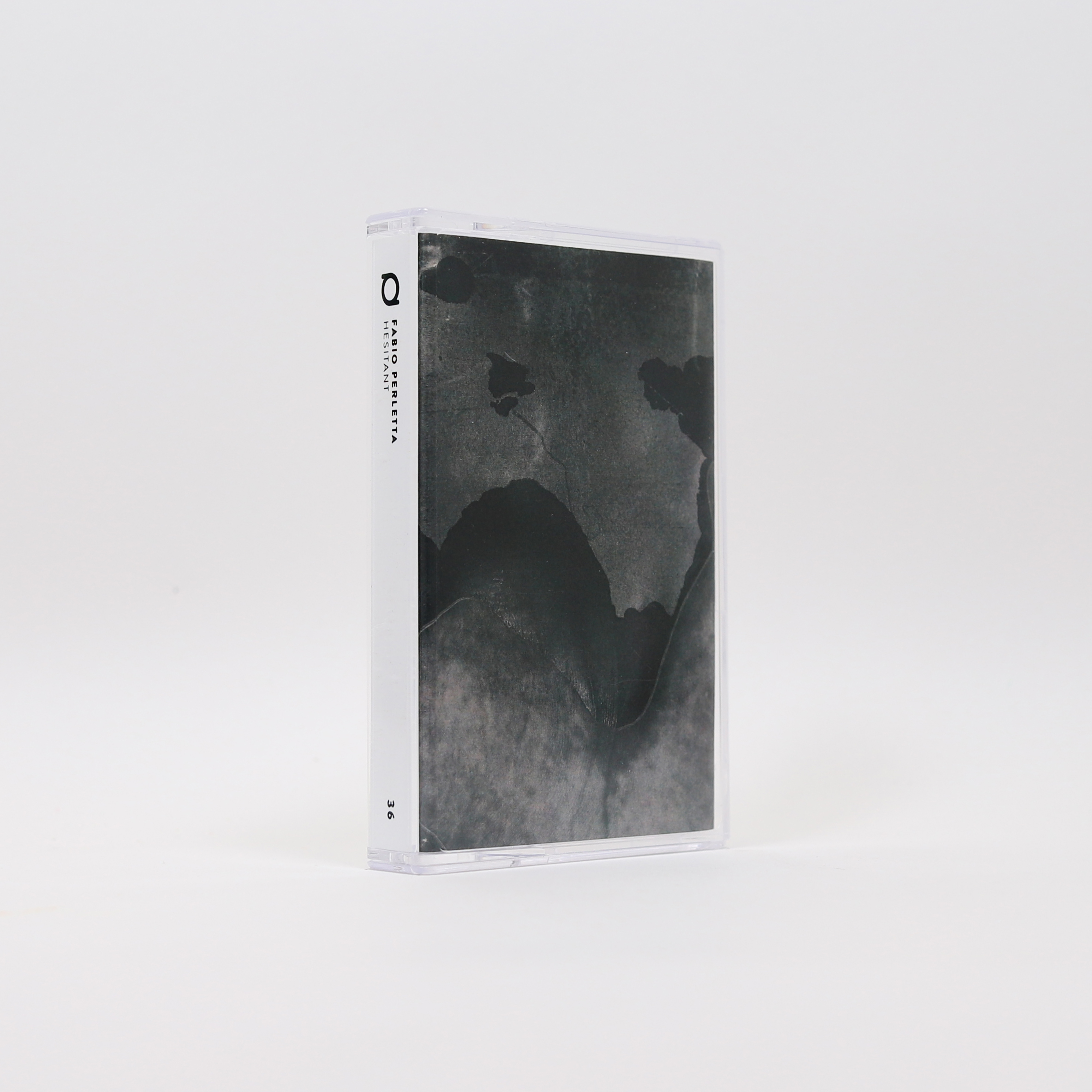
Debris/Tunings is an acknowledgement of working with a material in our hands; to weave, mold, form, and sculpt objects in space and view them from all sides. Edges are smooth and rough, the mobile can move and squirm, and it can sit almost completely still while we observe changes in increments. Our eyes touch these sounds; there is a closeness and intimacy with these things.
Working with a material is improvisational, though we find use in creating boundaries. The piece has no frame or pedestal, but durations give these strange materials a useful form. Noise and tone form a simple vertebrate for which our objects find space, relation, and meaning.
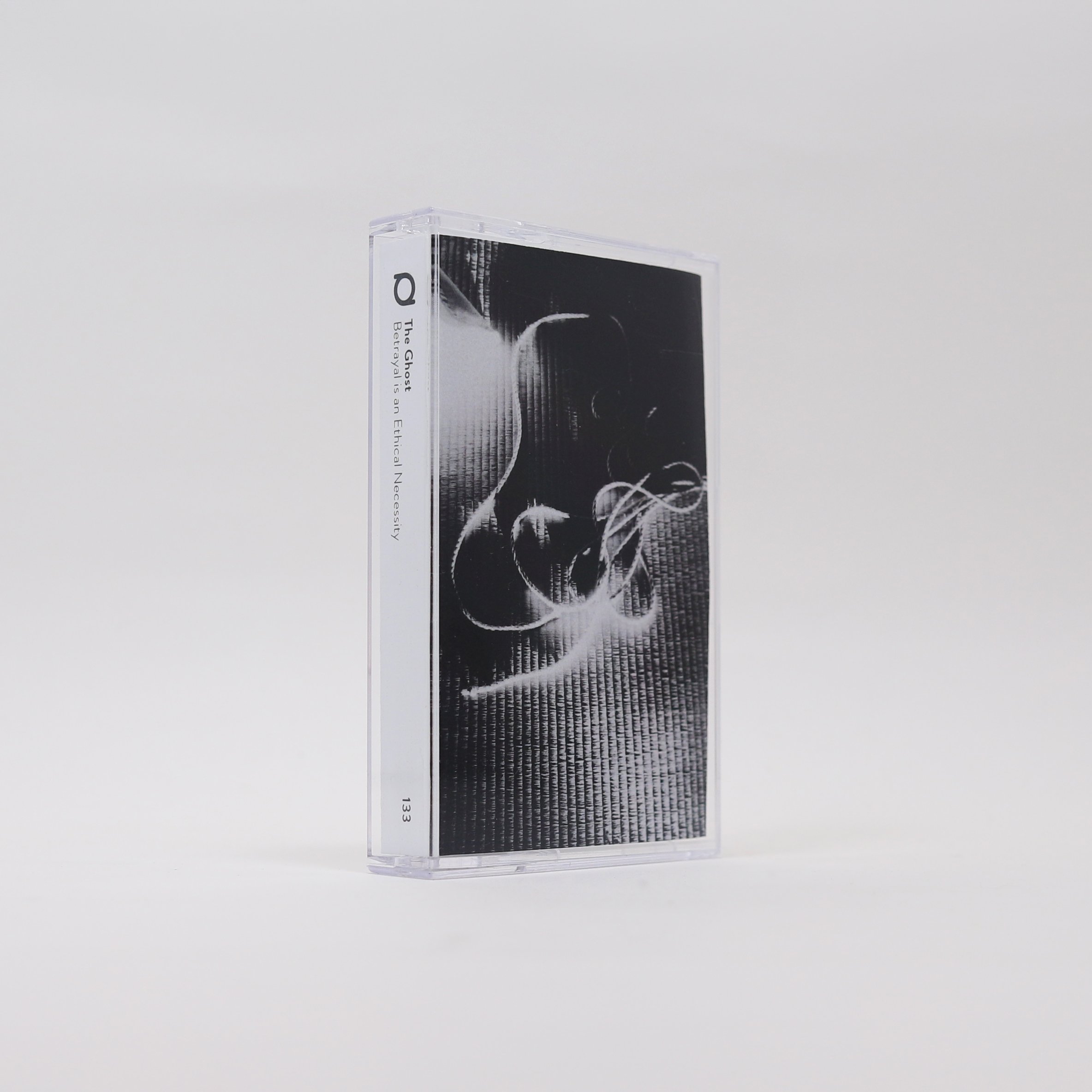
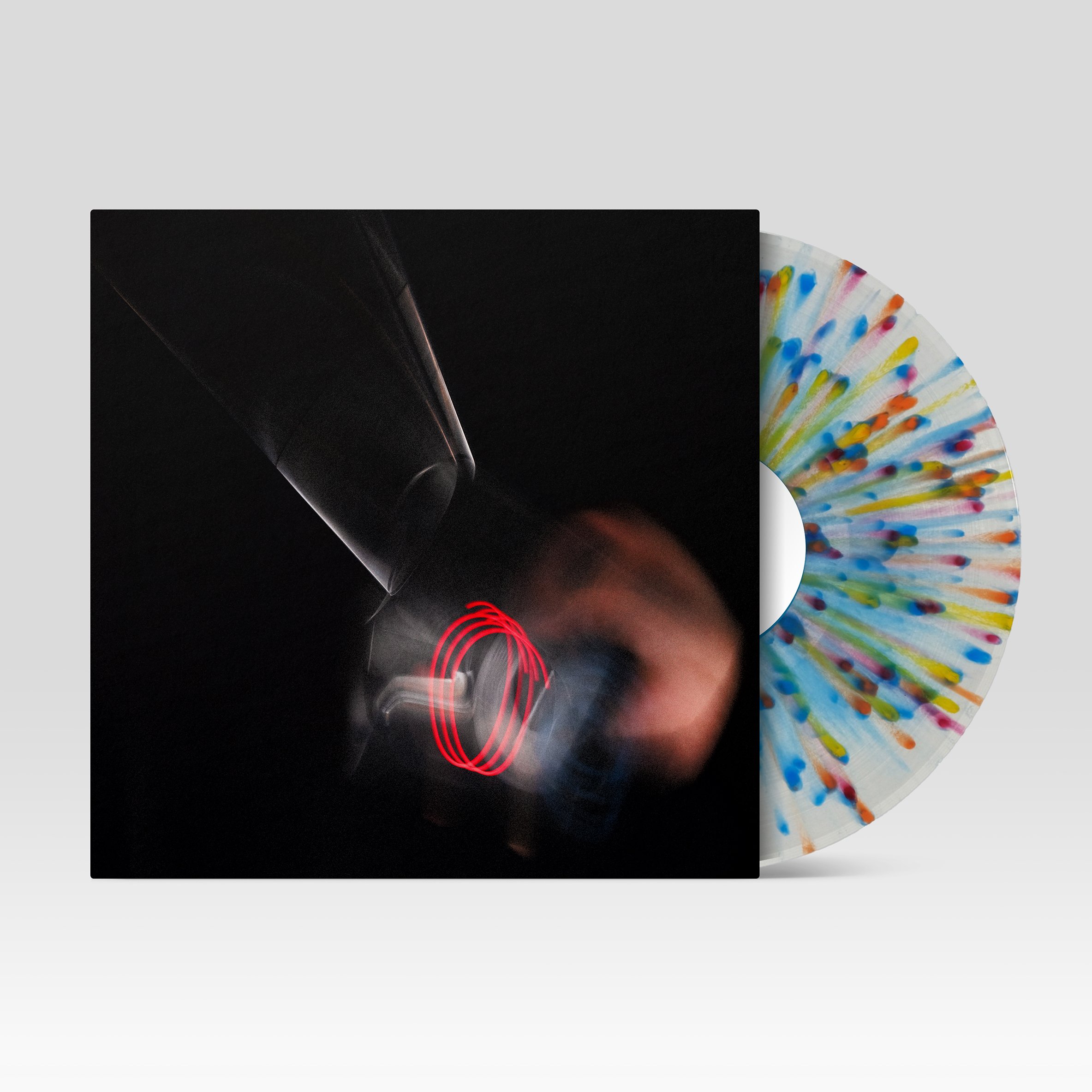
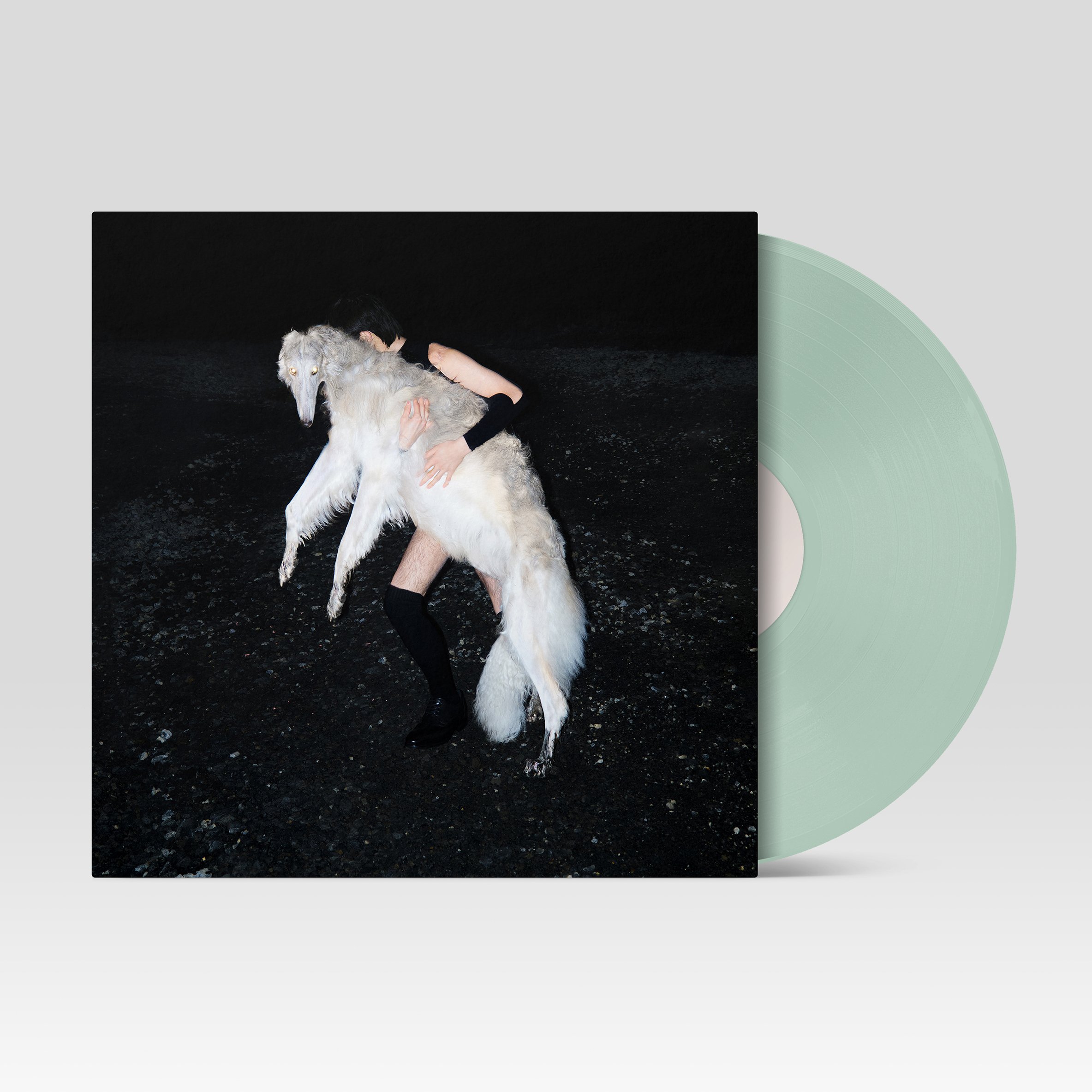
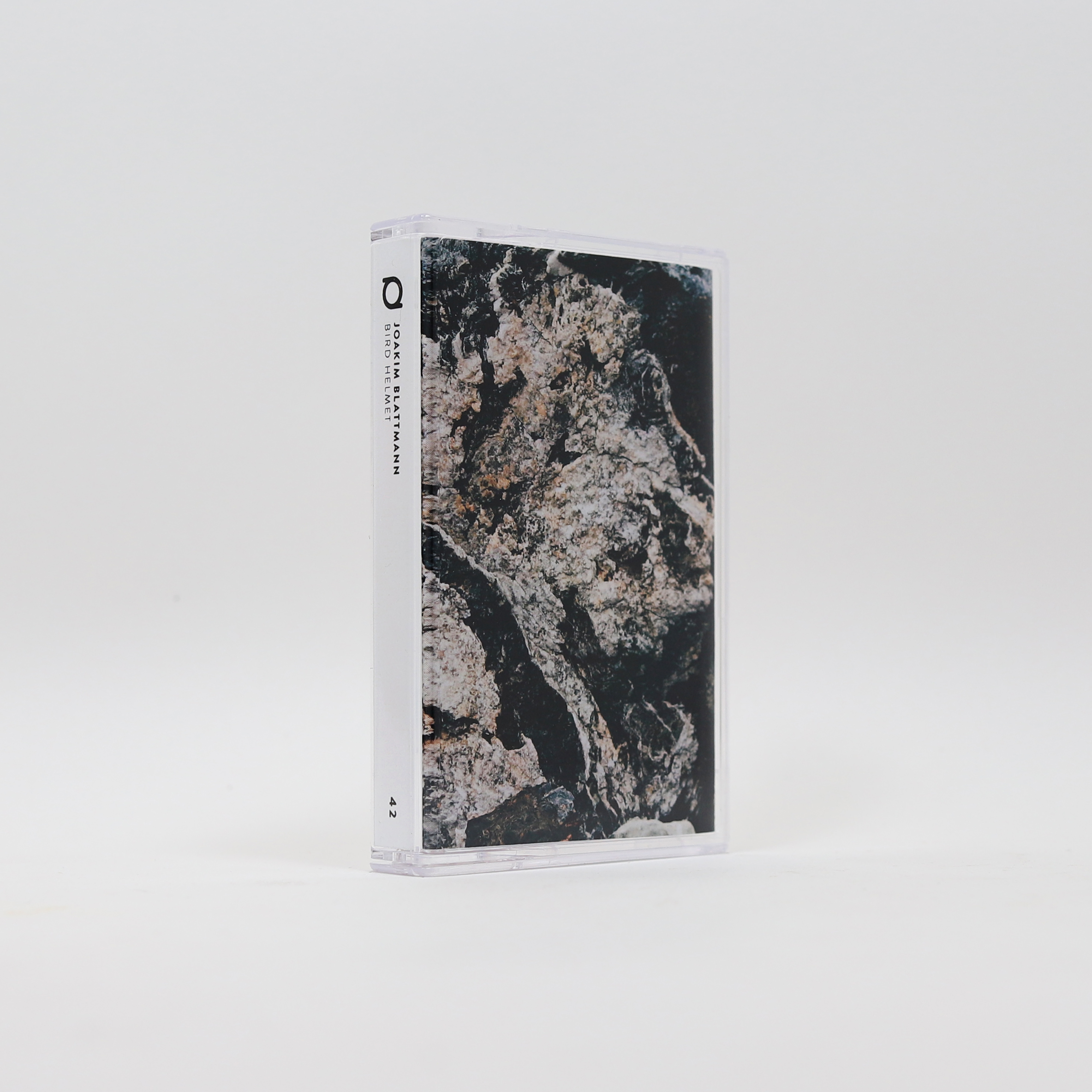
Approaching the free jazz tradition through a homoerotic, sadomasochistic, and melancholic lens, The Ghost draws conceptual inspiration from Jean Genet, Fred Halsted, and others. Betrayal is an Ethical Necessity—a phrase drawn from Leo Bersani’s Homos—edges & denies the cathartic release conventionally associated with the music, in pursuit of other forms of pleasure.
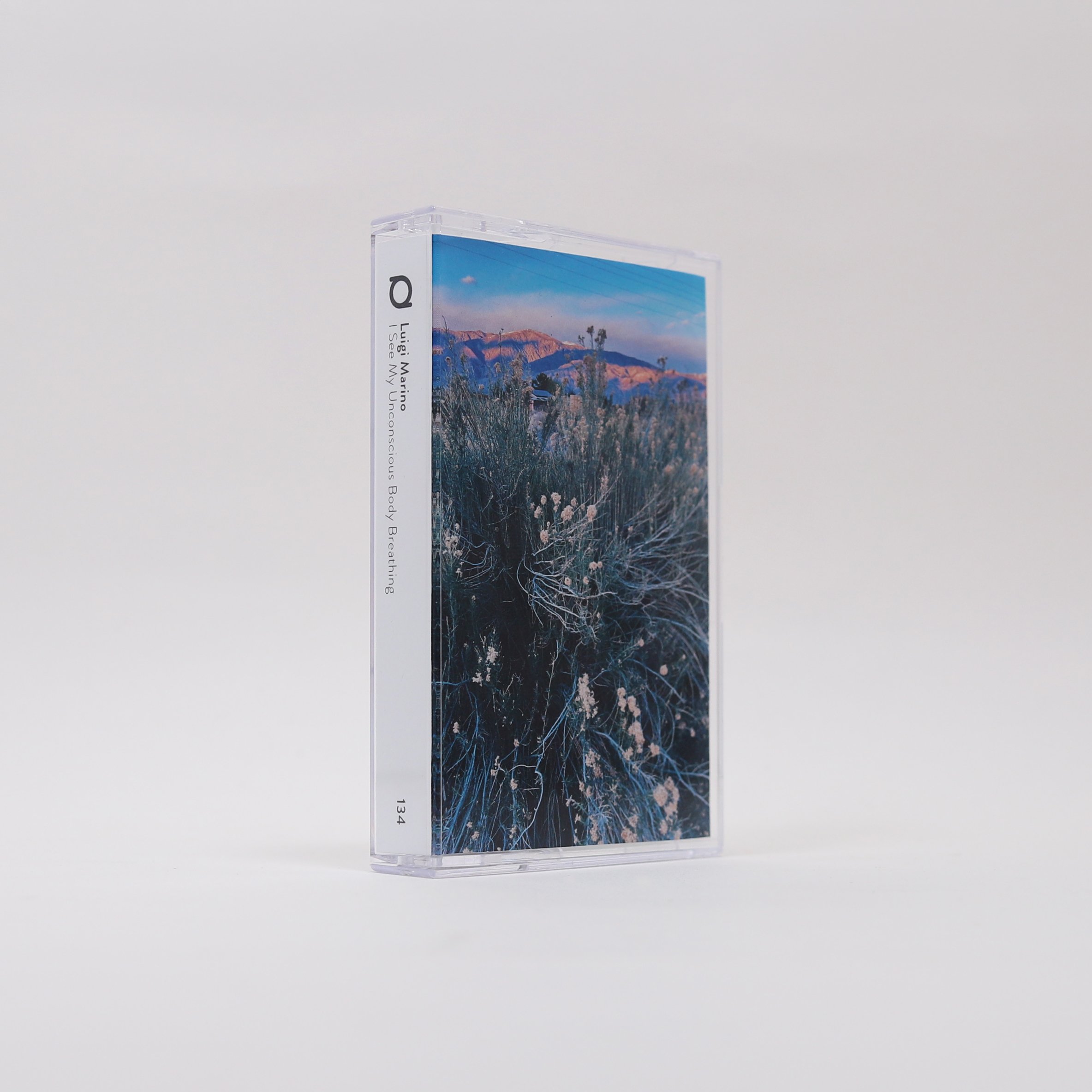
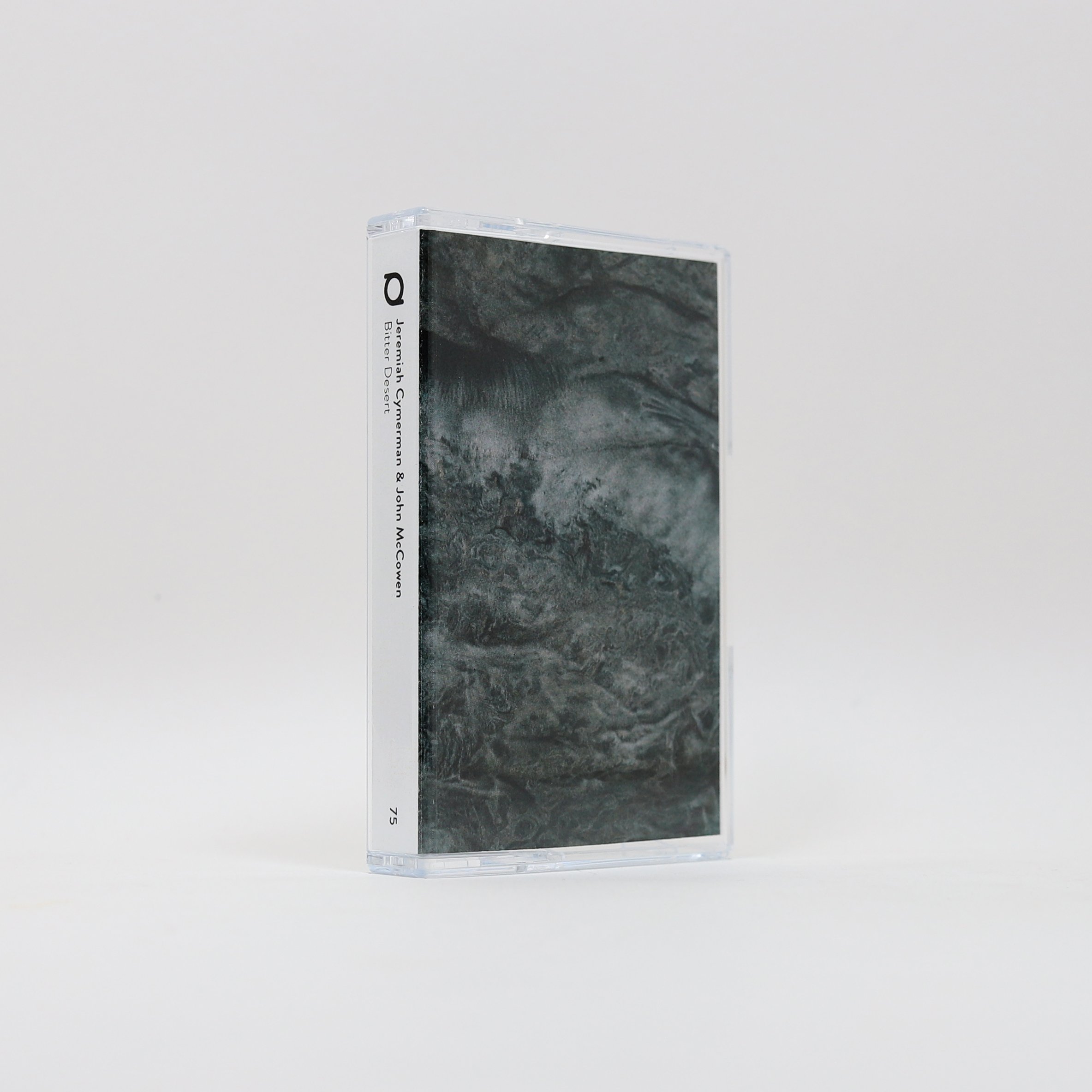
I See my Unconscious Body Breathing is a quartet for four unique Wuhan cymbals sourced from San Francisco’s Chinatown in 2009. The work draws entirely on a vocabulary of acoustic techniques developed over the past fifteen years, primarily using a single bow and, at times, two bows applied simultaneously to the same cymbal. No electronic sounds are used, and the work can be performed acoustically exactly as heard on the recording.
Throughout the piece, a recording of the composer’s breath while asleep functions as a temporal framework, synchronizing the bow strokes of the four parts with phases of inhalation and exhalation. These gestures either correspond directly to the breathing cycle or articulate subdivisions within it, establishing an underlying relationship between involuntary bodily rhythm and the work’s sonic and structural organization.
Liths
Ascending the Depths
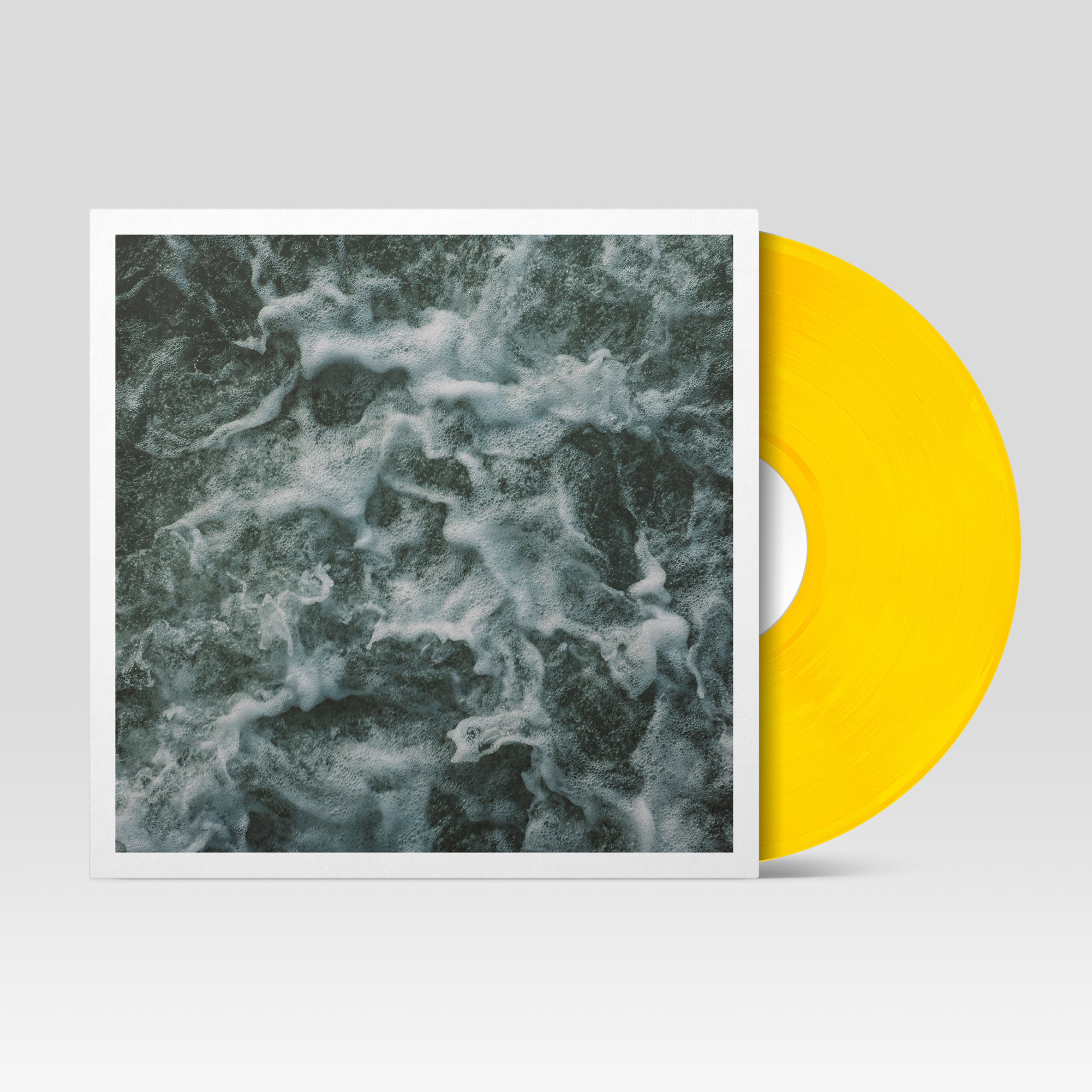
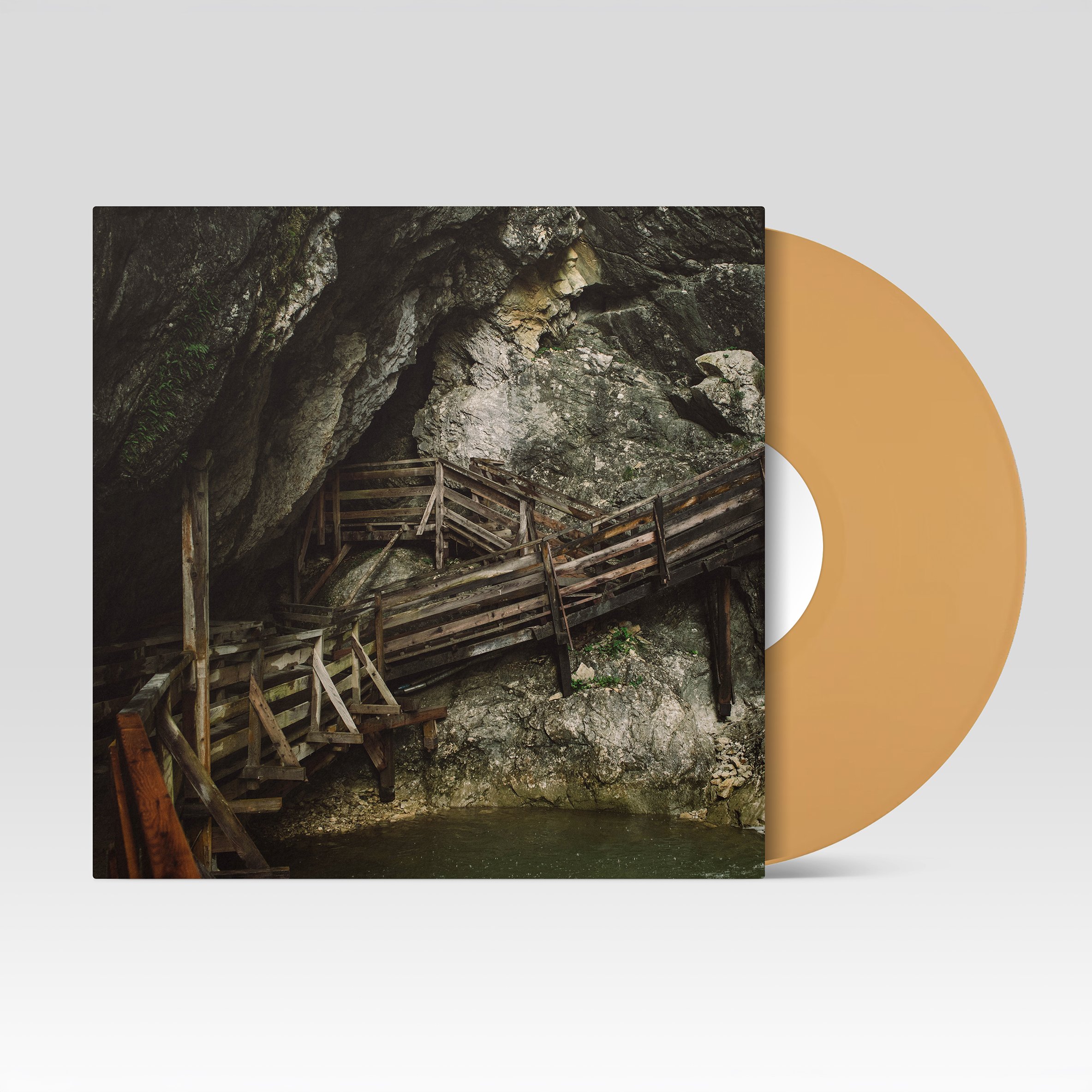
The improvisational trio Liths brings Sarah Hennies back to Dinzu Artefacts alongside drummer/percussionist Willie B. and saxophonist/percussionist Keir Neuringer. Grounded in the percussion work of all three members, with saxophone and vibraphone extending the ensemble’s instrumental palette, the group deploys expressive textures in daring and spontaneous formal contexts.
The trio emerged from Ithaca’s small but notably active experimental music community in 2022, taking shape through a series of semi-annual local performances. Ascending the Depths was recorded by Matt Saccuccimorano in October 2025 at Electric Wilburland, a locally revered church-turned-recording studio.
Ascending the Depths consists of eight conceptually focused studio improvisations that explore sound and texture in playful, energetic interaction held in tension with the focused meditative nature of Hennies’ work outside the trio.
What may make Liths particularly fascinating to those familiar with the trio’s members is the way the music remains firmly within the continuum of their individual practices while simultaneously multiplying and refracting them through the unlikely context of the trio. Their interplay and collective sonic risk-taking in live performance is riveting, and while the inherent theatricality of percussion remains ever-present, it is never the point. Rather, it is through the rigorous exploration of each sonic gesture down to its essence that new depths are revealed and new heights attained.
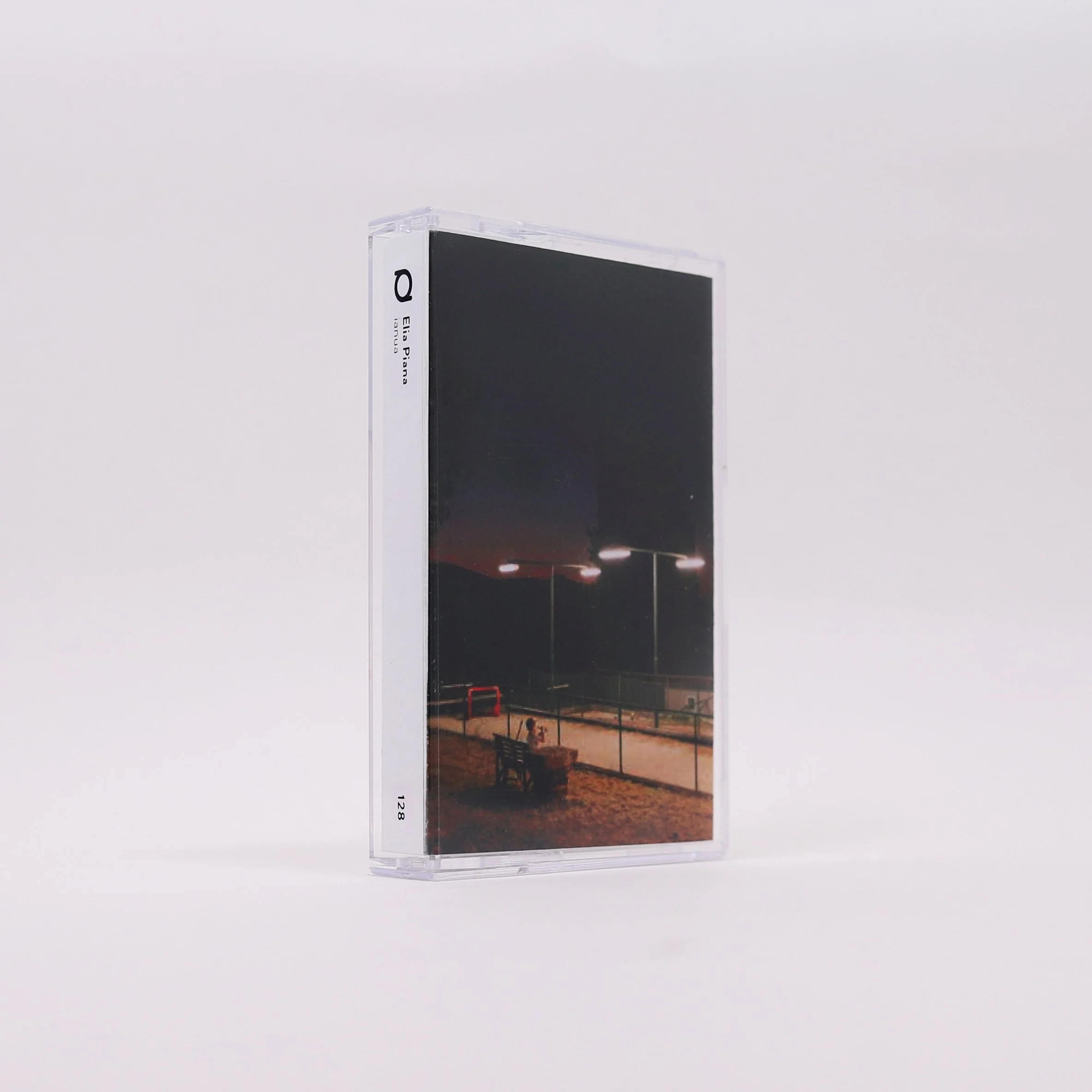
Elia Piana
ianua
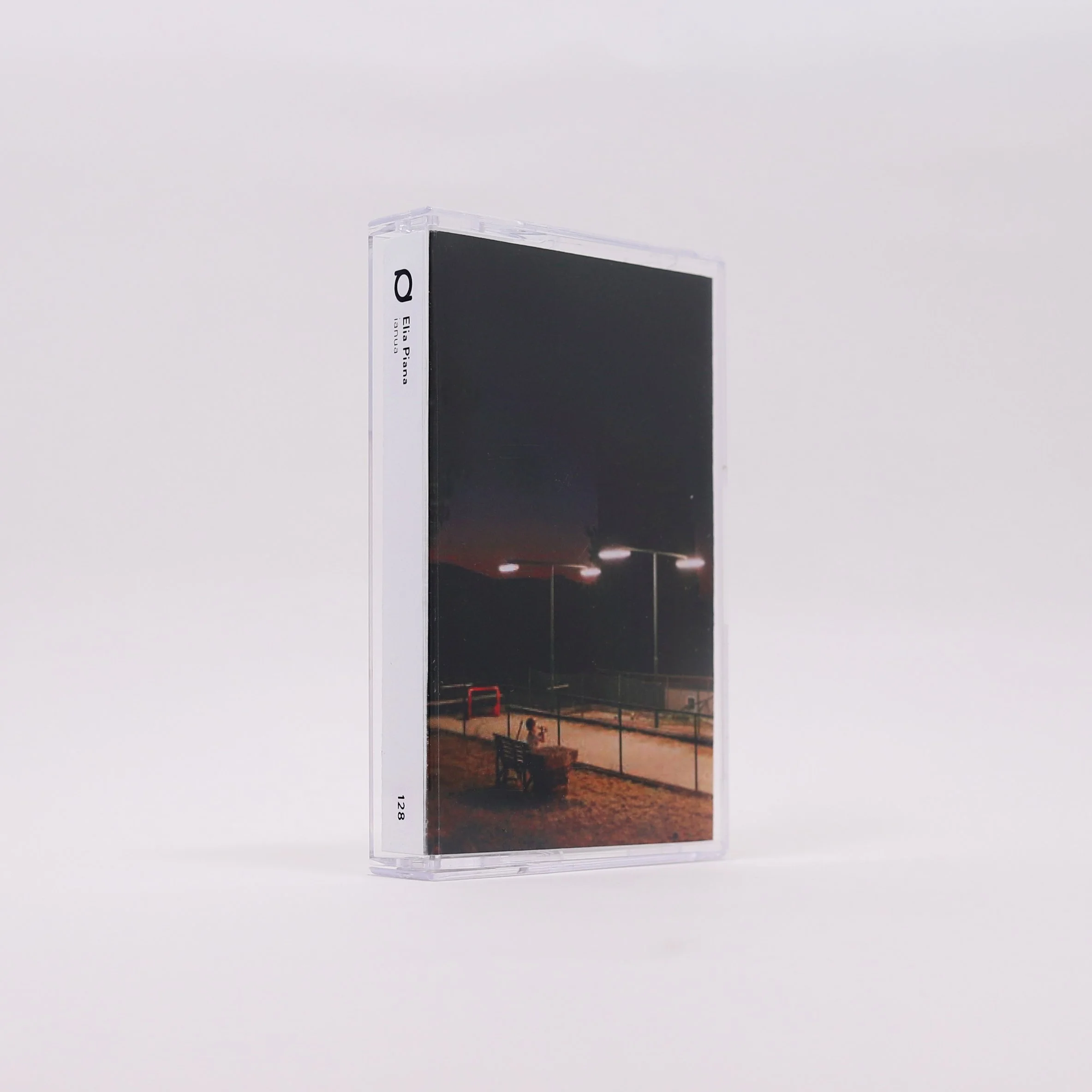
ianua takes its name from the Latin word for “door,” drawing inspiration from the symbolism of Janus—the two-faced deity of beginnings, endings, and transitions. Conceived as a cyclical work where the end folds back into the beginning, the album is built entirely from guitar sounds, transformed through a Plumbutter and recorded to tape.
Changes in tape speed and playback irregularities introduce subtle imperfections and shifting variations, allowing the loops to evolve gradually over time. Songs designed to be listened to at low volume, at dusk.
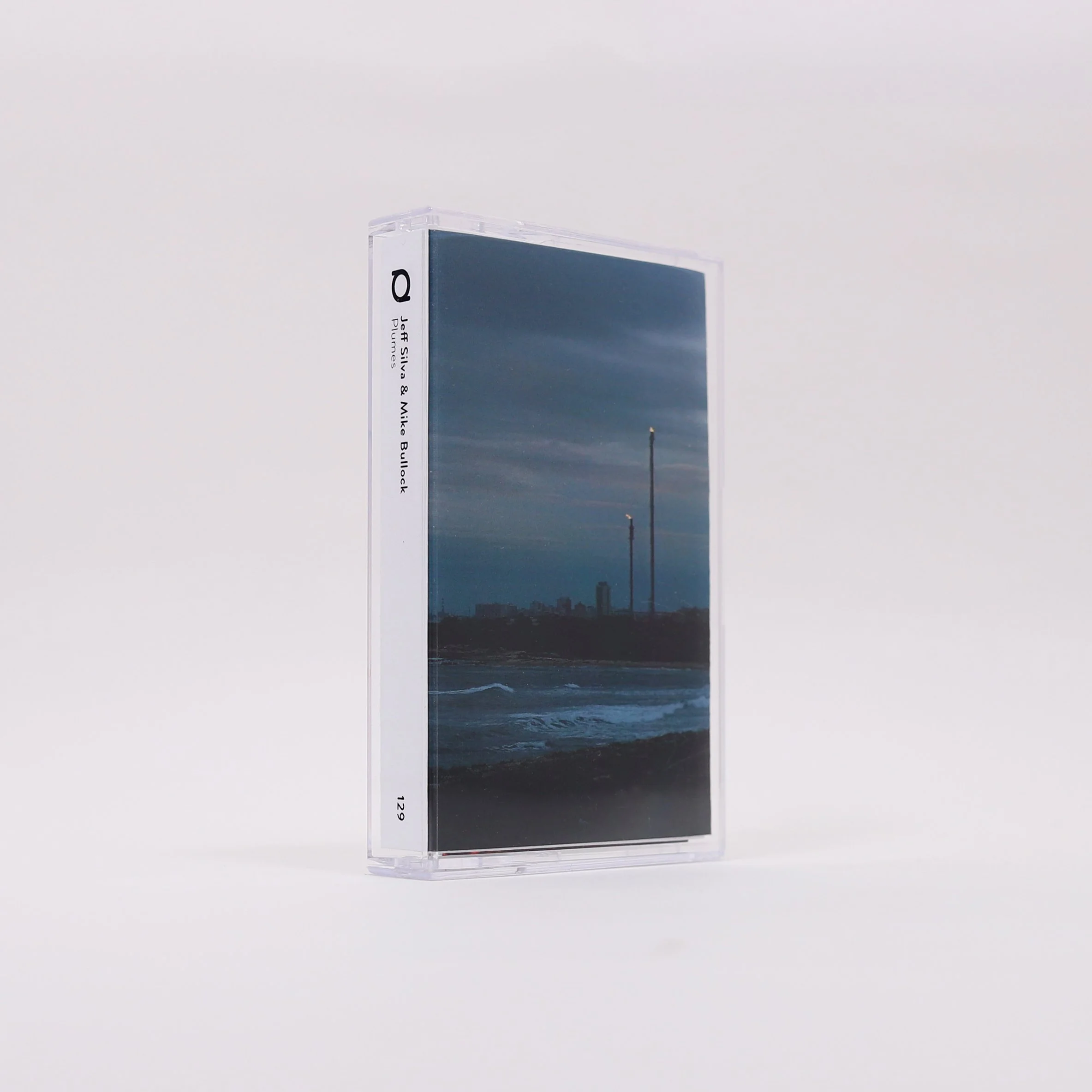
Jeff Silva & Mike Bullock
Plumes
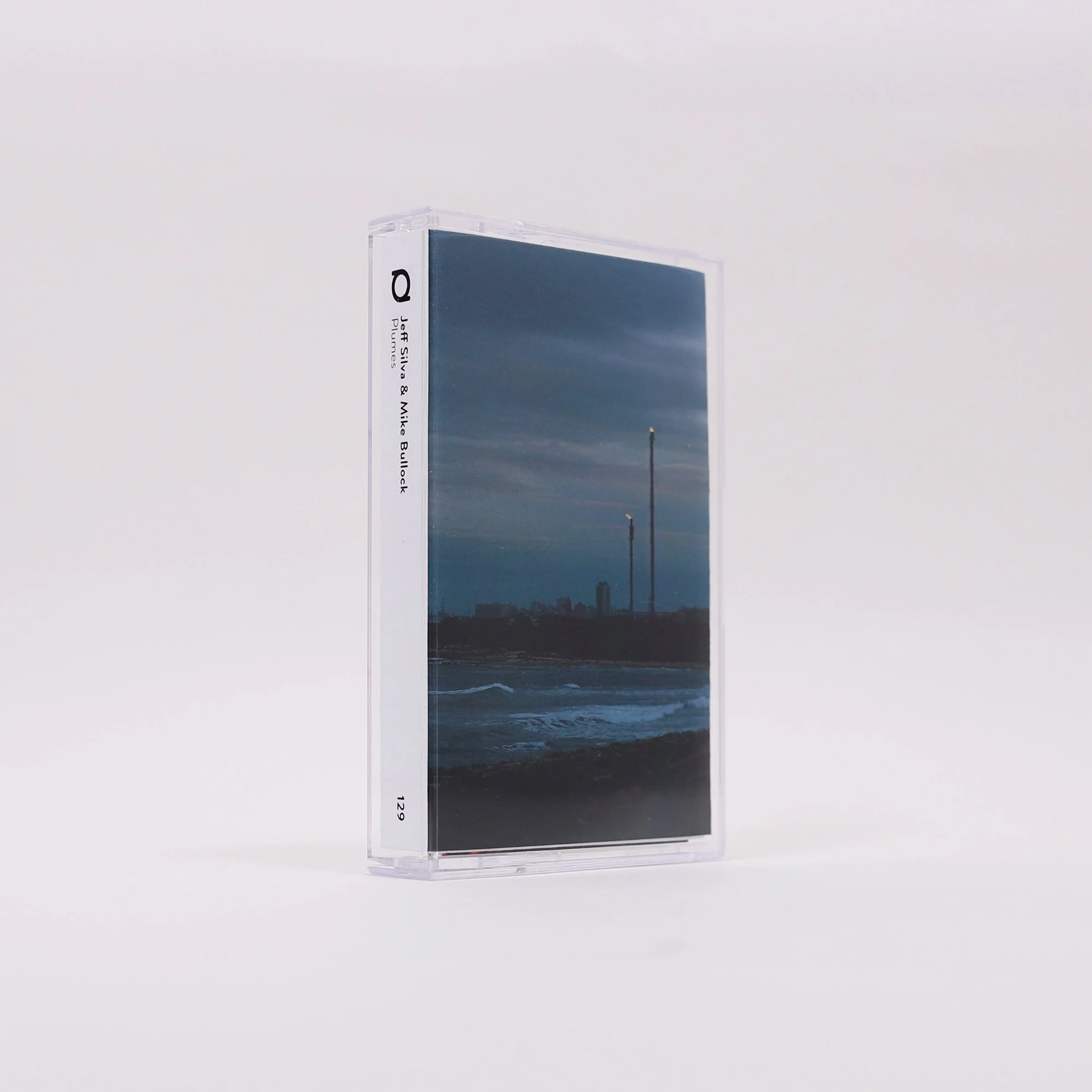
Plumes emerges from a long-term sonic and ethnographic exploration of the Étang de Berre, a coastal lagoon near Marseille, France shaped by industrial pollution and ecological disruption. Recorded between 2021 and 2024, the album captures fragile entanglements between human activity and more-than-human life. Using hydrophones, ultrasonic detectors, and parabolic microphones, Bullock and Silva probe the lagoon's submerged acoustics, bat echolocations, and the overlapping signals of industry and wildlife. Rather than documenting from a distance, Plumes listens closely to a damaged landscape. It invites us to hear what contamination, survival, and resilience sound like, and proposes listening as a way to inhabit the complexity of a territory in flux.
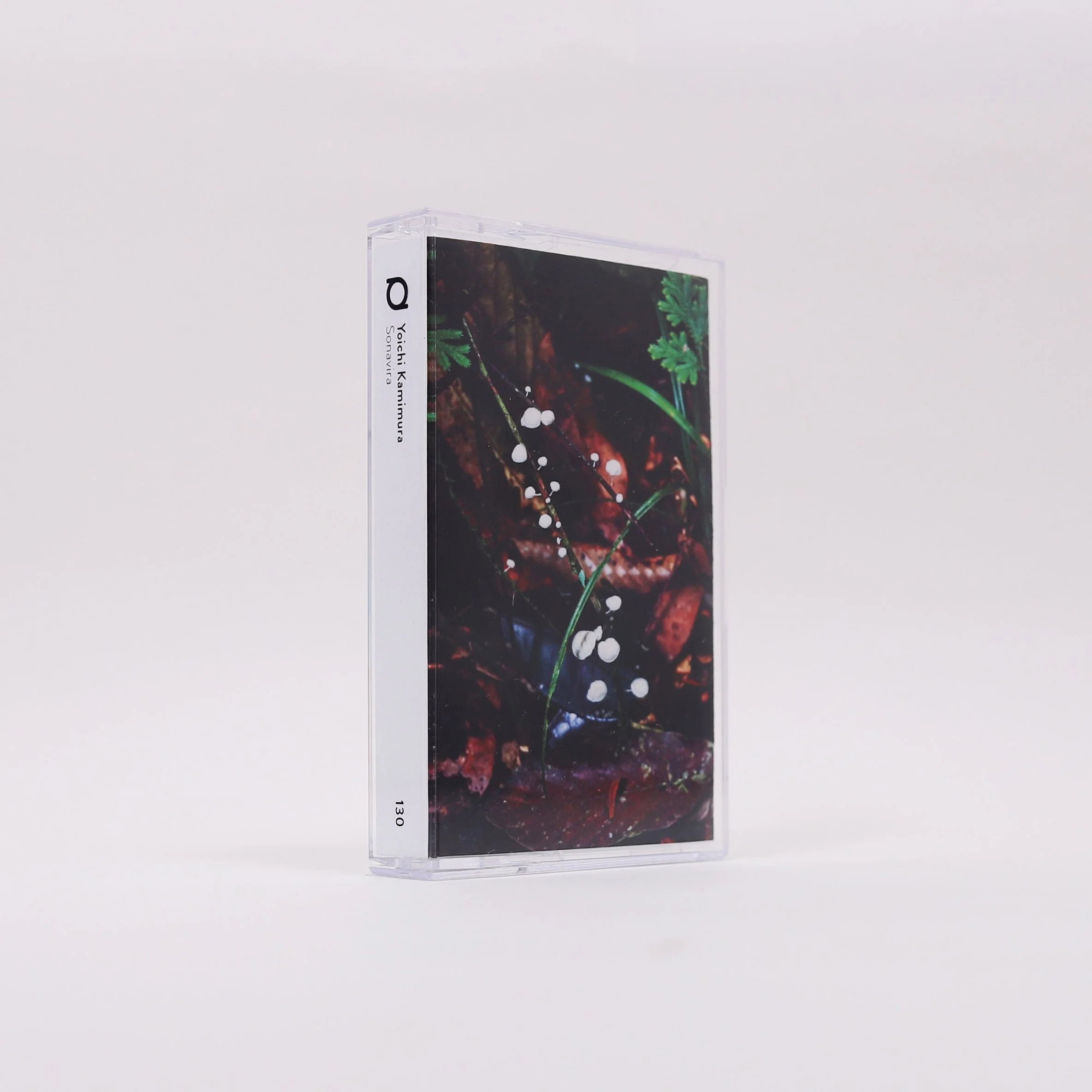
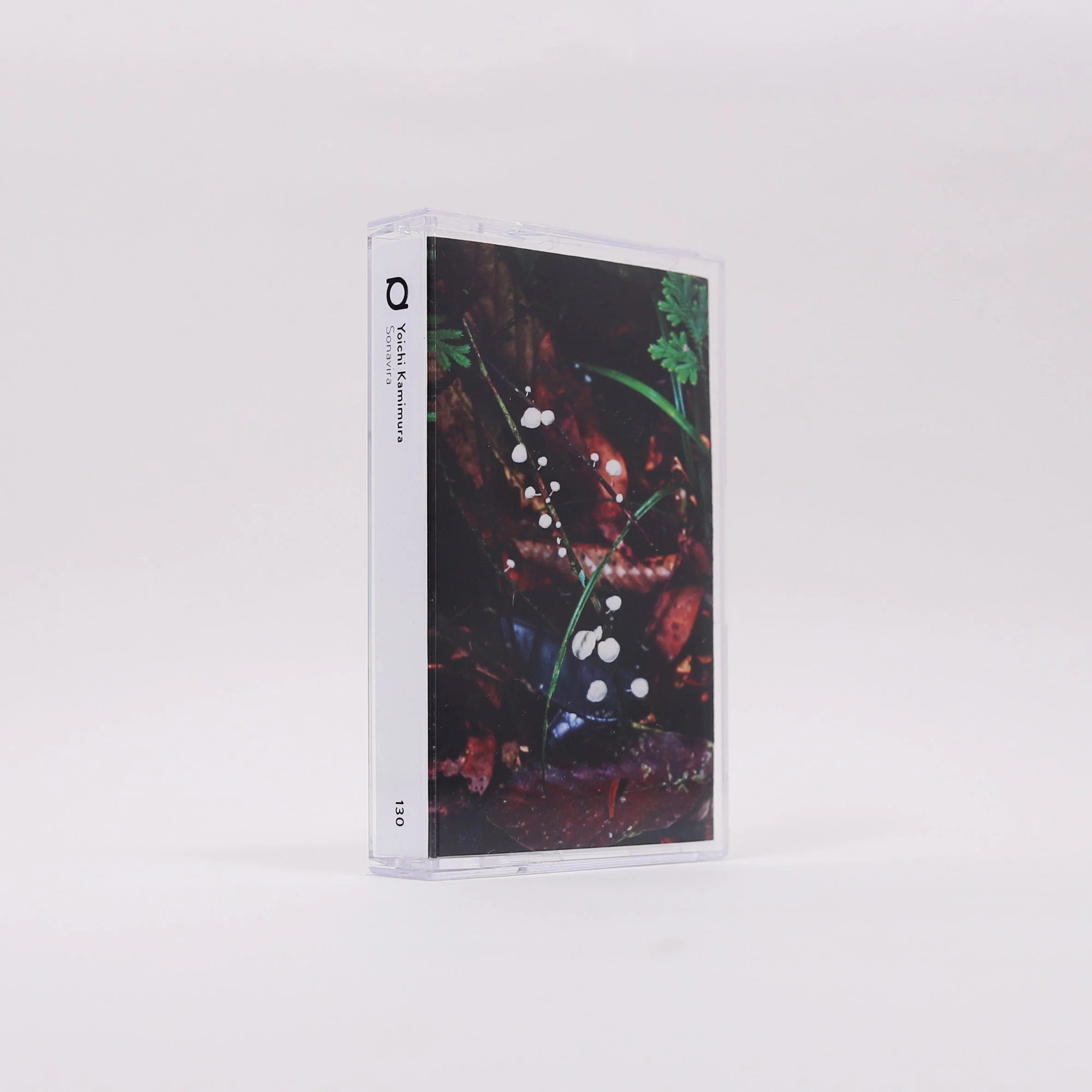
Yoichi Kamimura
Sonavira
Created from field recordings gathered during a 2023 residency in the Brazilian Amazon, Sonavira explores the intersection of ecology, culture, and sound. Captured in the rainforest, along the Amazon River, and near the Balbina Dam, these recordings reveal a dense sonic environment where wildlife, indigenous presence, and the sounds of modern infrastructure coexist in uneasy harmony.
Its title combines Latin and Romance-language roots associated with sound, life, growth, and transformation, reflecting a view of sound as a living force—one that circulates through, responds to, and is shaped by its environment.
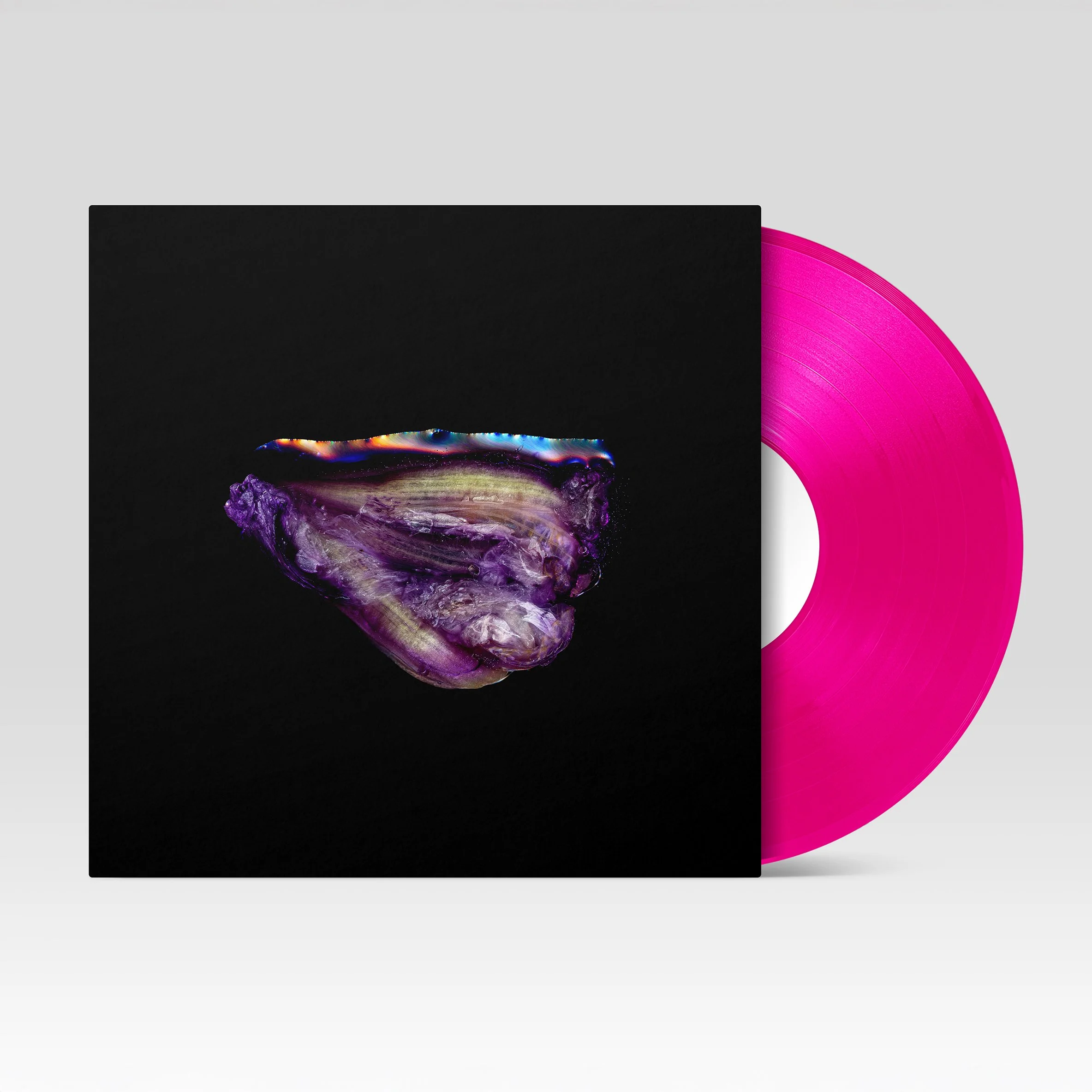
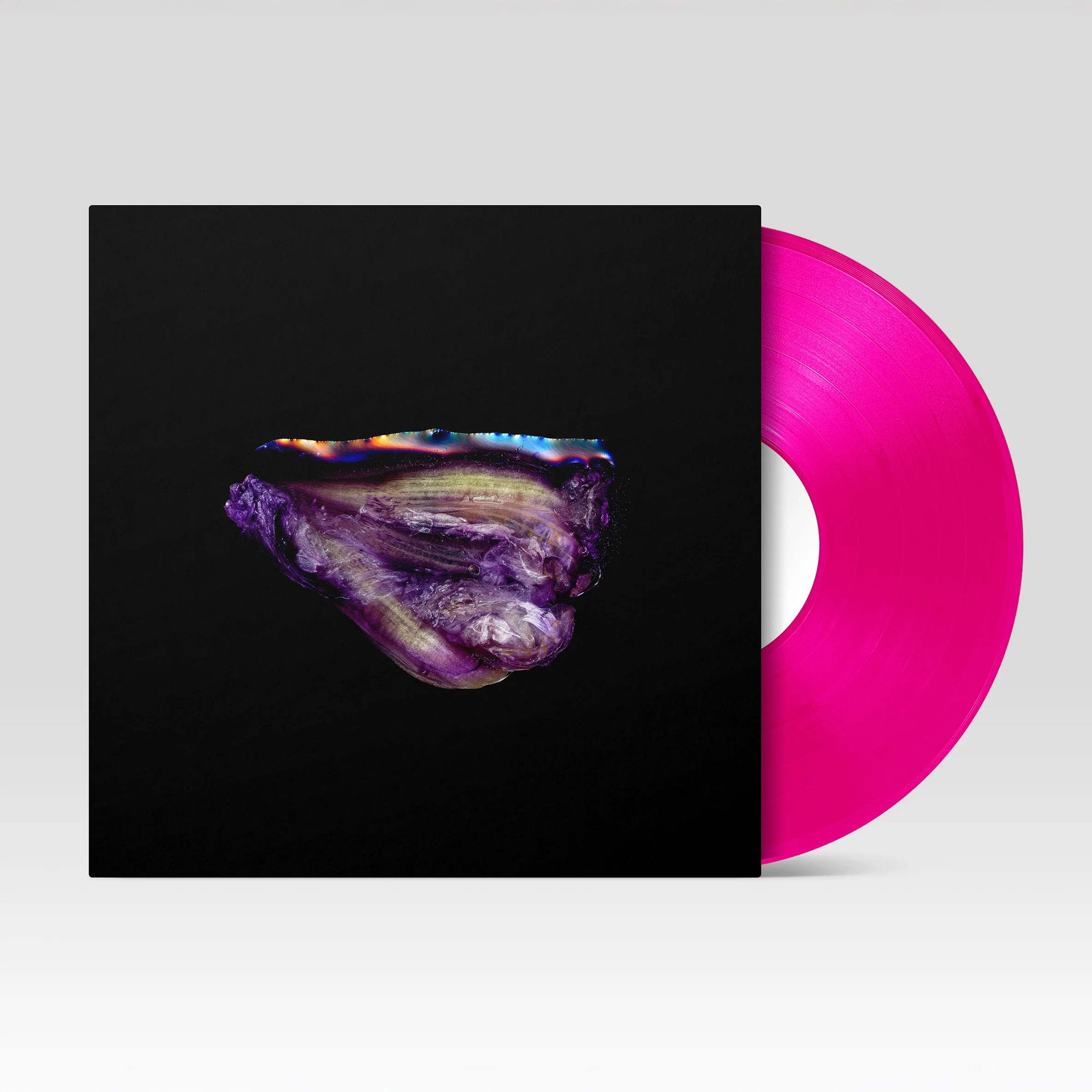
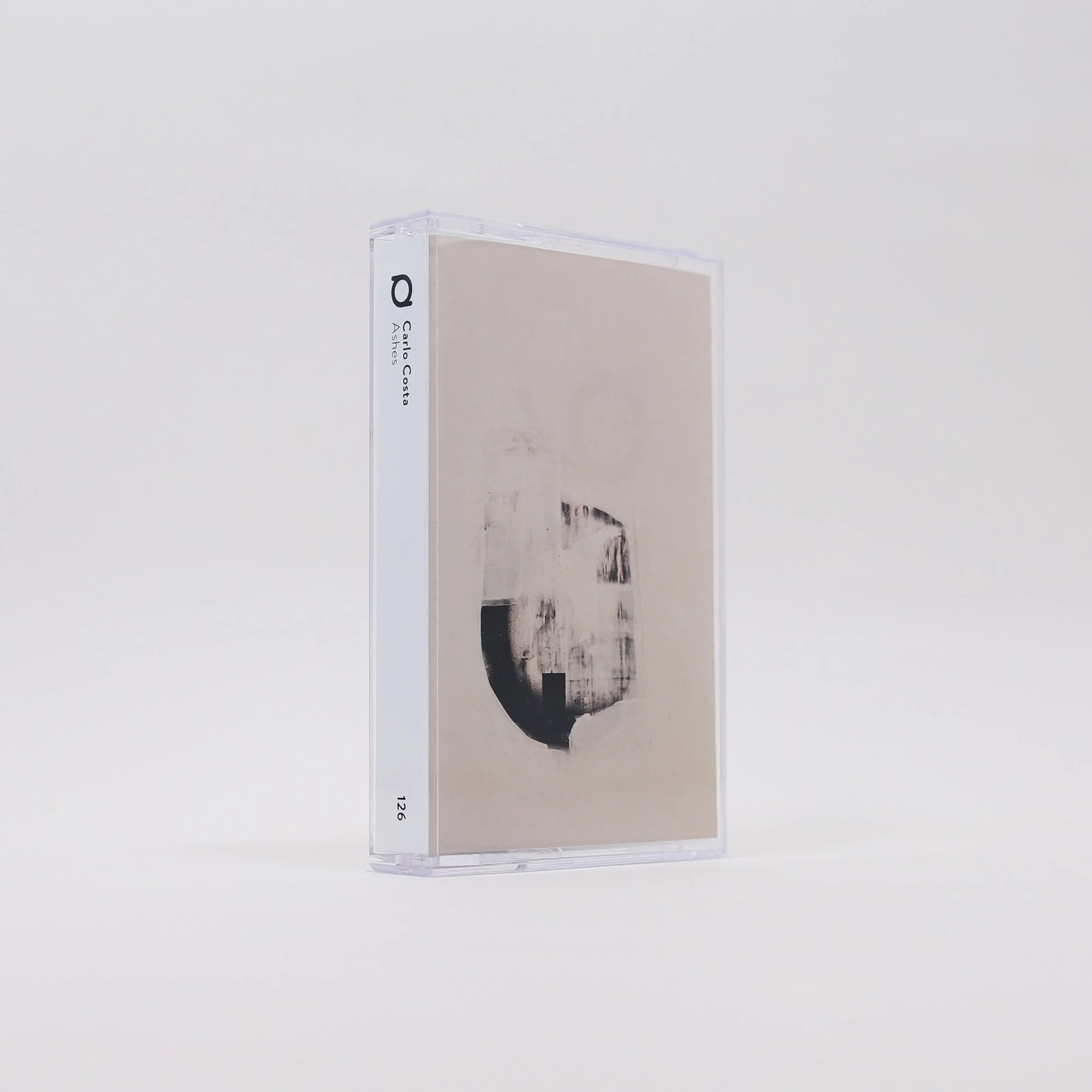
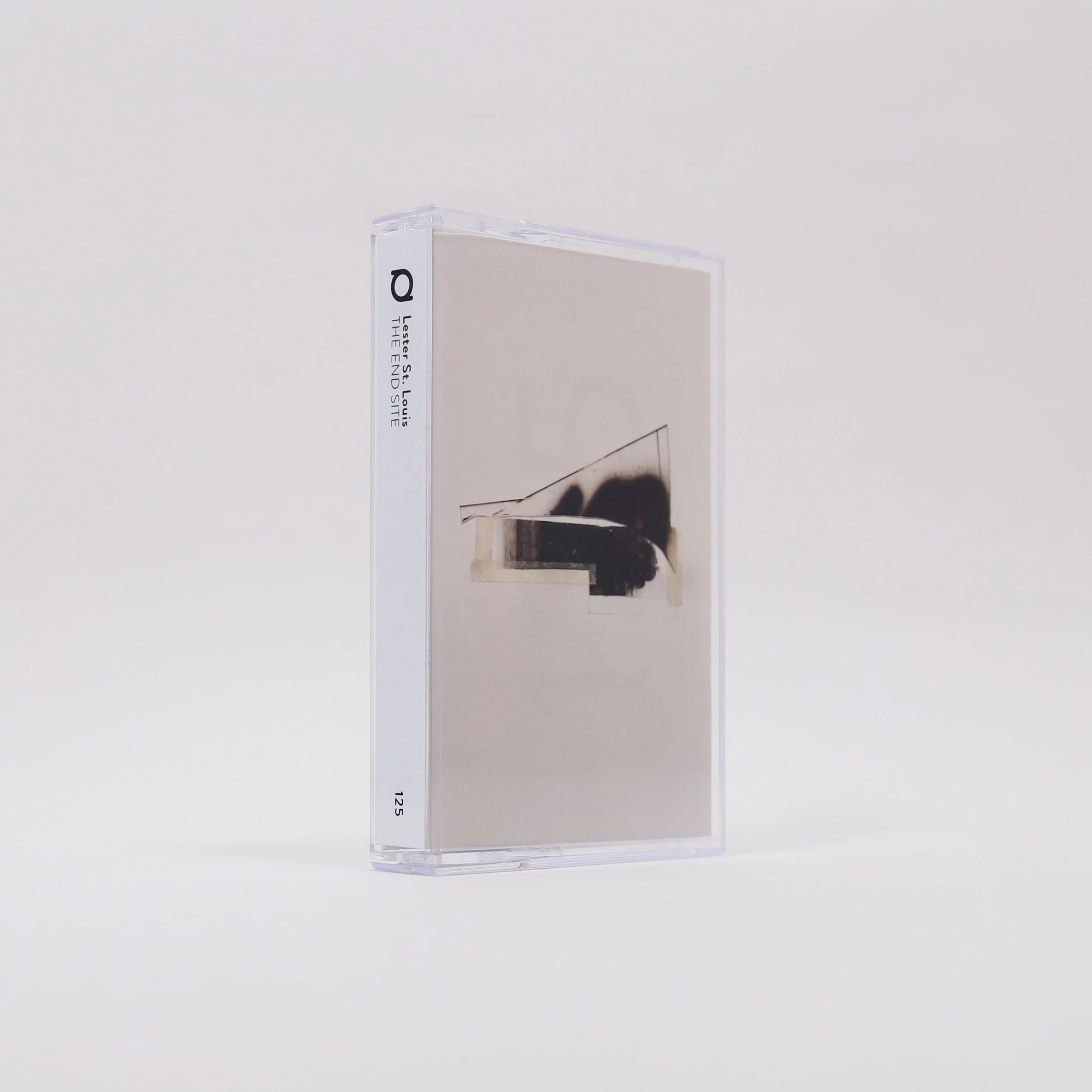
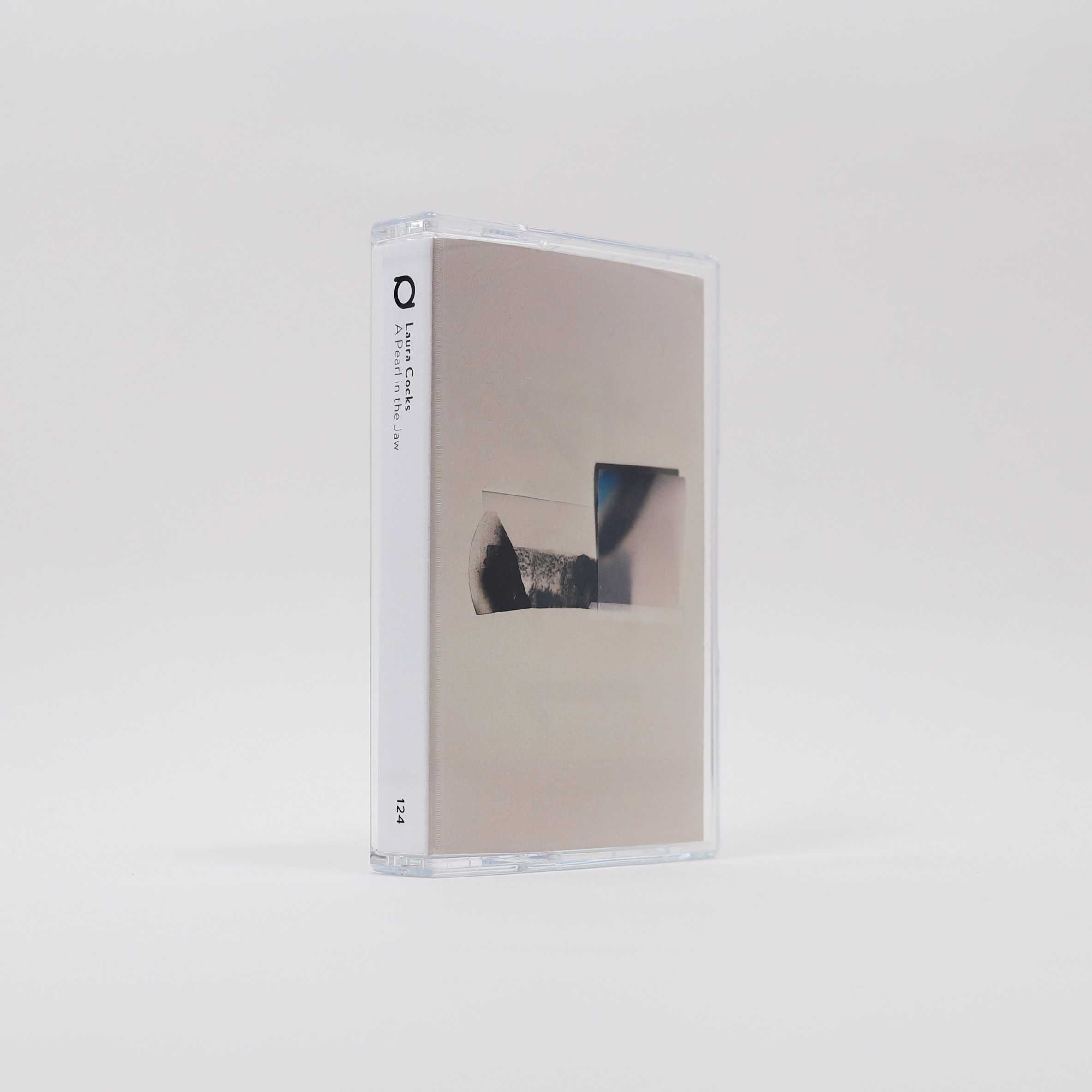
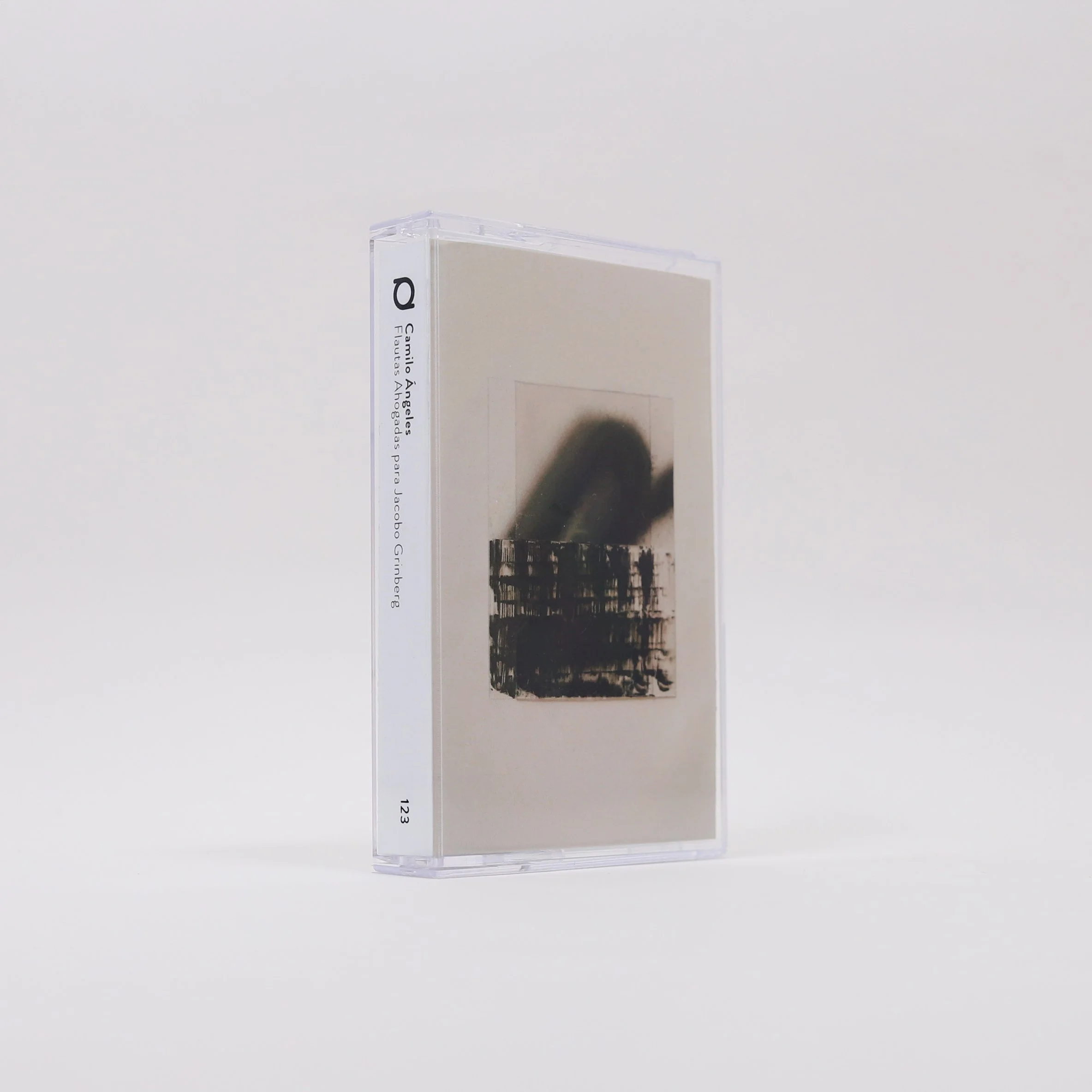
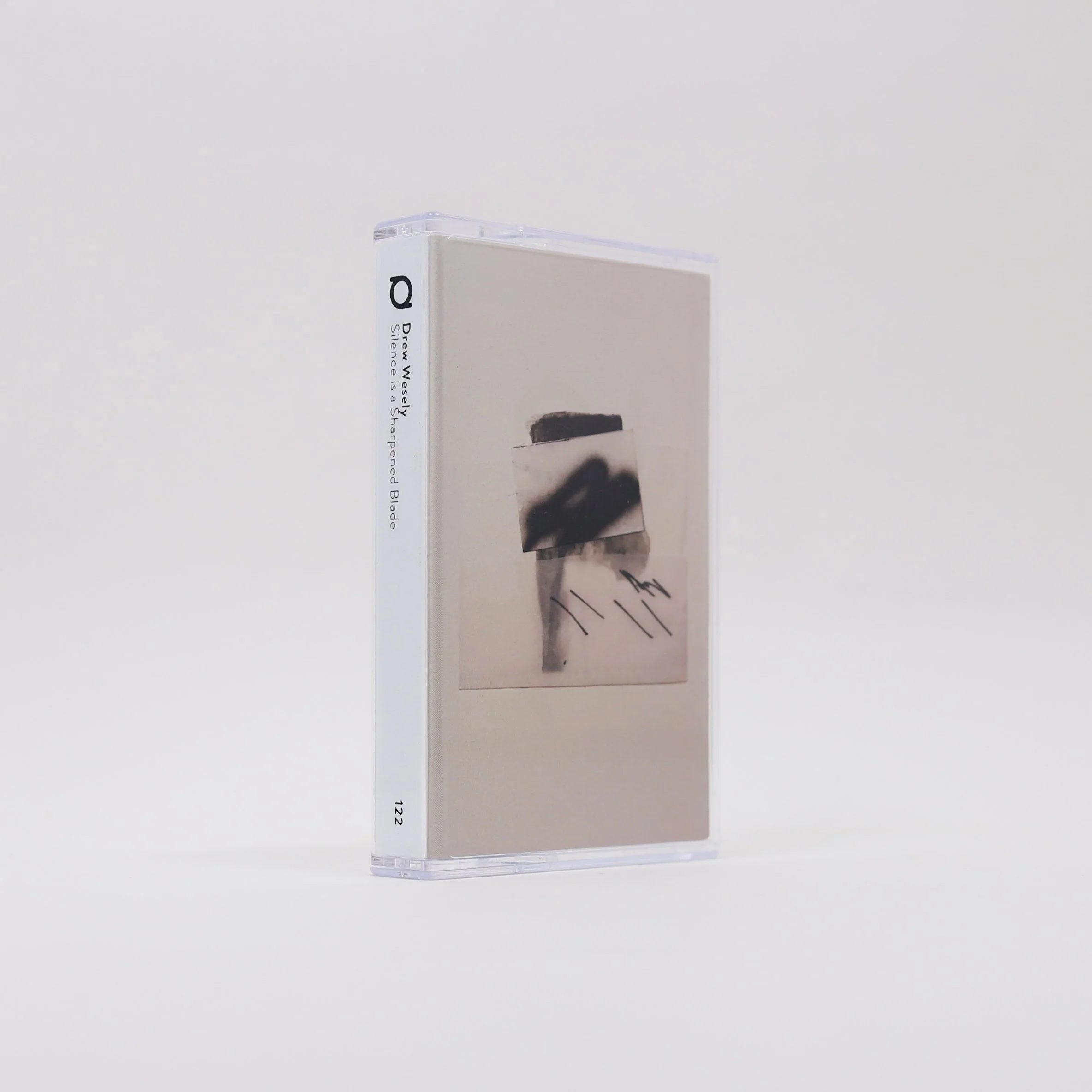
Wesely / Cocks / Ángeles / St. Louis / Costa
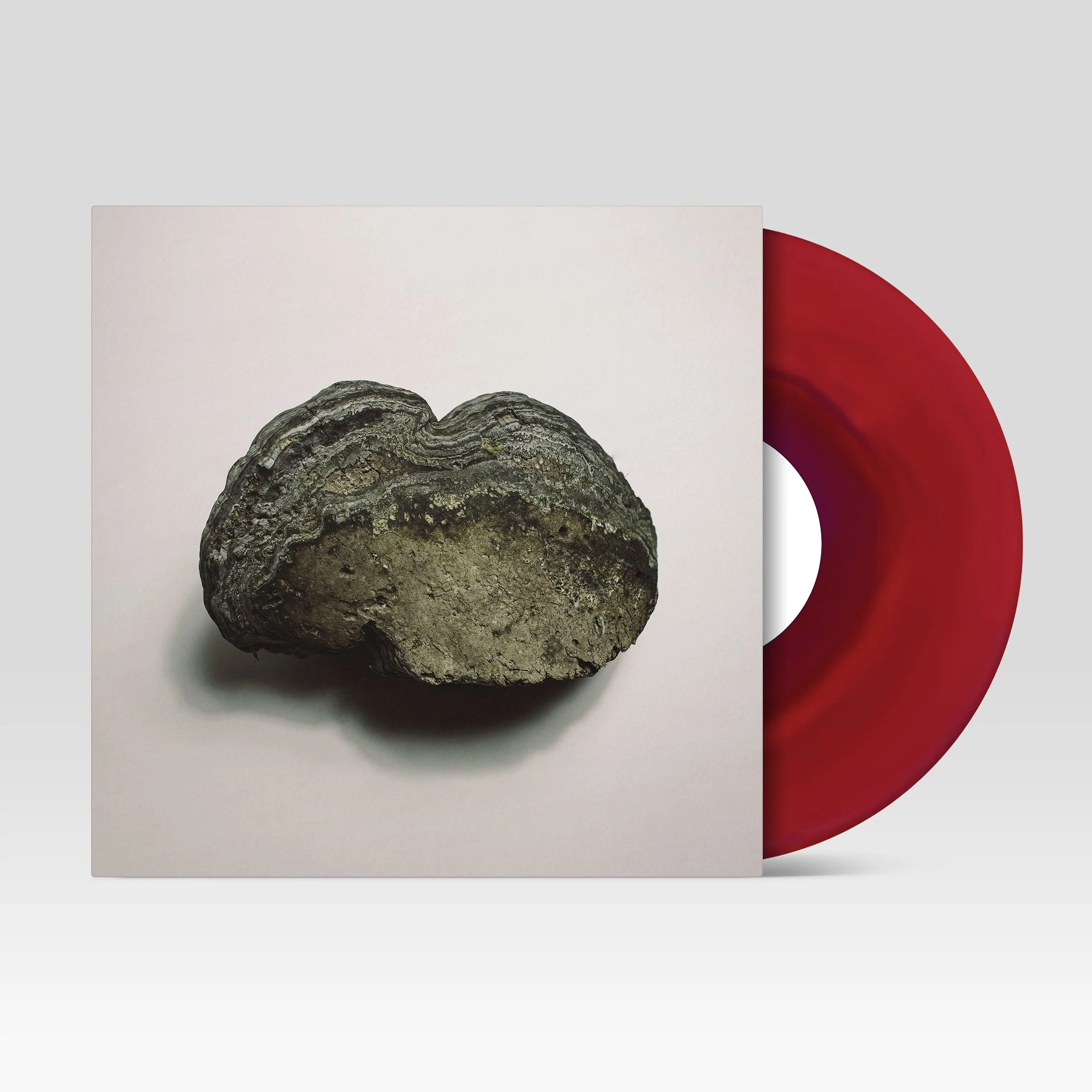
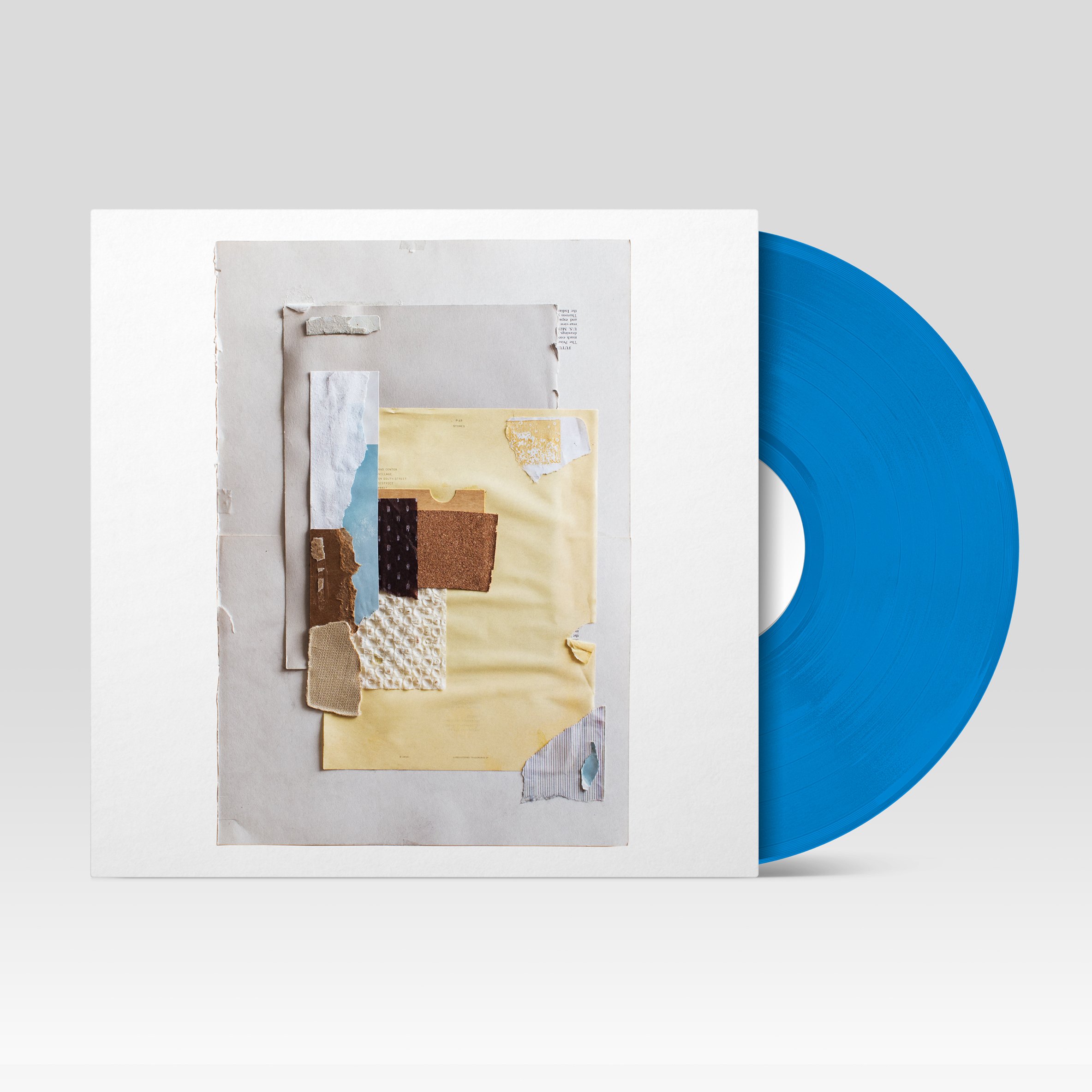
A Fine Chance for Permanence
Each generation of improvisors gathers itself—naturally and consistently—in the act of rewriting the poetry of spontaneous music. The need to group words/sounds/images in an order that feels honest to lived experience is innate in all creative humans, and the history of musicians collectively building new musical syntax ranges from jazz freeing itself from the song form in the 1960s to the reliance on silence during the reductionist or lowercase movements of the last twenty years.
With easier access to recordings, writings, and discussion, the question of how today’s cohort can keep themselves from splintering off into thousands of unconnected vocabularies is a real one. The promise of a globally connected community has proven, so far, to be moving toward alienation. It is heartening to see, then, that today’s improvisers seem to be using the digital glut of information to create a shared music of différance, or a “both/and” kind of thinking that defies a concretized ideological performance practice), rather than choosing to disperse into multiple, evolutionarily barricaded languages.
A Fine Chance for Permanence may become a historical document of this new movement’s embrace of the internet age and its possibilities. The music here spreads itself out like a data set rather than unfolding into a linear narrative. It builds upon the creation and dissolution of multiple relationships within an ever-shifting sense of time rather than a virtuosic reproduction of hanging images within a set of aesthetic rules. Asymmetrical pulses replace rhythms; frequencies and sighs supplant pitches; floating timbres are substituted for strict counterpoint. But while the improvisations on this record dance around the aurorae of music’s building blocks, they are not afraid to grasp at the concrete—the historical as the expected—as a source material for new music. A Fine Chance is a conscious deconstruction of what we mean when we mean music; it is a single cycle of music differánce frozen in time.
– Nate Wooley
(an excerpt from the full liner notes)
+ SOUND AS AN ART FORM +
UPCOMING RELEASES:
+ Liths
(Sarah Hennies, Willie B., Keir Neuringer)
+ Morgan Evans-Weiler & Carlo Costa
+ The Ghost
+ Luigi Marino
+ Living Sound Lab
+ Bennett / Engel / Thomsen
+ Burkhard Beins & Alfredo Costa Monteiro
+ Chris Cogburn, Valerio Tricoli & Marco Albert
+ Bryce Hackford, Ka Baird & Kevin Ramsay
+ Vincent Martial
+ Emil Nilsson
+ Violet Hannesena
DISTRIBUTION:
+ Tobira Records (JP)
+ Scream & Writhe (CA)
+ Cafe Oto (UK)
+ Soundohm (IT)
+ Skeleton Dust (US)
+ Ergot Records (US)
+ DNT Records (US)
+ Discogs
INFO:
+ Digital downloads included
+ Est. 2016 / Los Angeles
+ Discography
DEMOS:
+ Appropriate demos welcome
Digital available on Bandcamp